


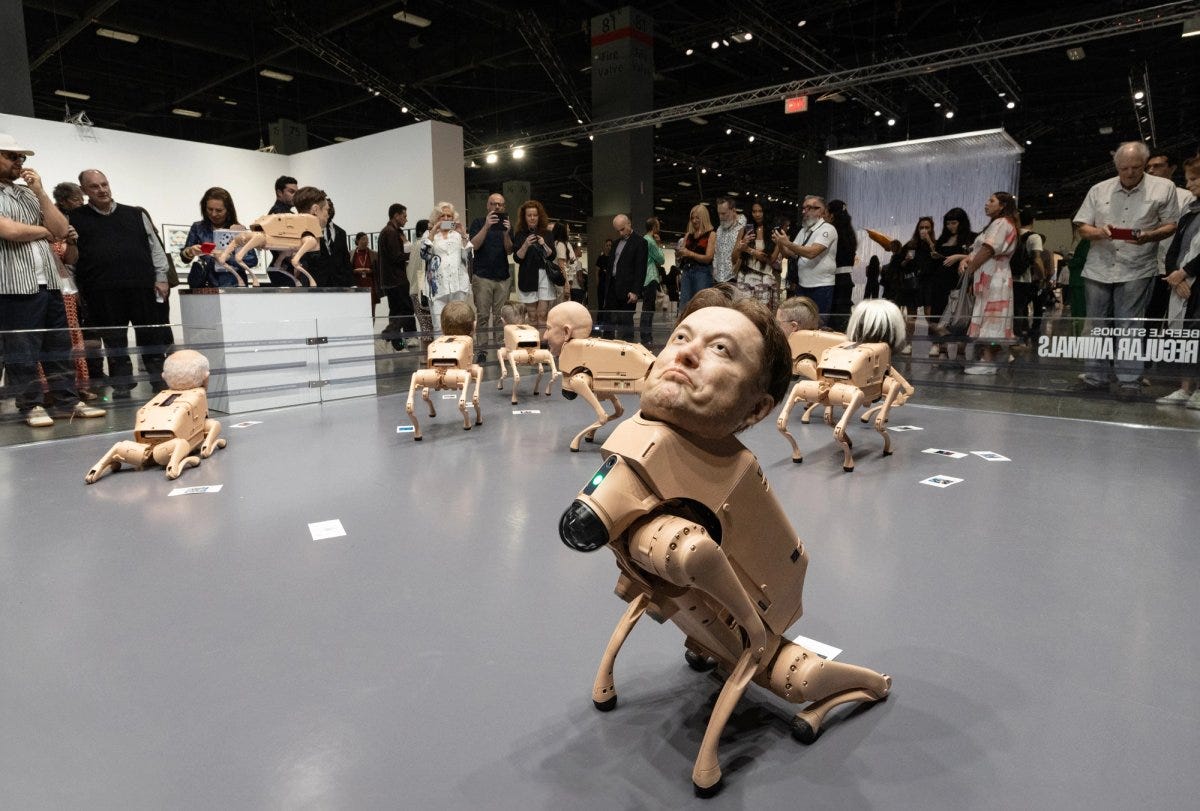
On the ground floor of Art Basel Miami’s convention center, Elon Musk is on all fours, pooping. Next to him is Jeff Bezos, prancing about on his hind legs while Mark Zuckerberg, paws to the floor and ass to the sky in a deranged Child’s Pose, peers into the crowd with his signature slack gaze. Pablo Picasso and Andy Warhol are there, too, completing the sausage fest with Mike Winklemann, also known as Beeple, the creator of the art installation.
The installation, named “Regular Animals,” features freakishly fleshy replicas of the men’s heads affixed to the bodies of beige robot dogs that jitter and tweak in a square, short fence. Beeps putter out from the litter as the pups step over an array of discarded photos they have ejected out of their robotic anuses. Pictorial excrement. The porous details of their faces earn an impressive verisimilitude, which, in turn, achieves the desired spectacle.
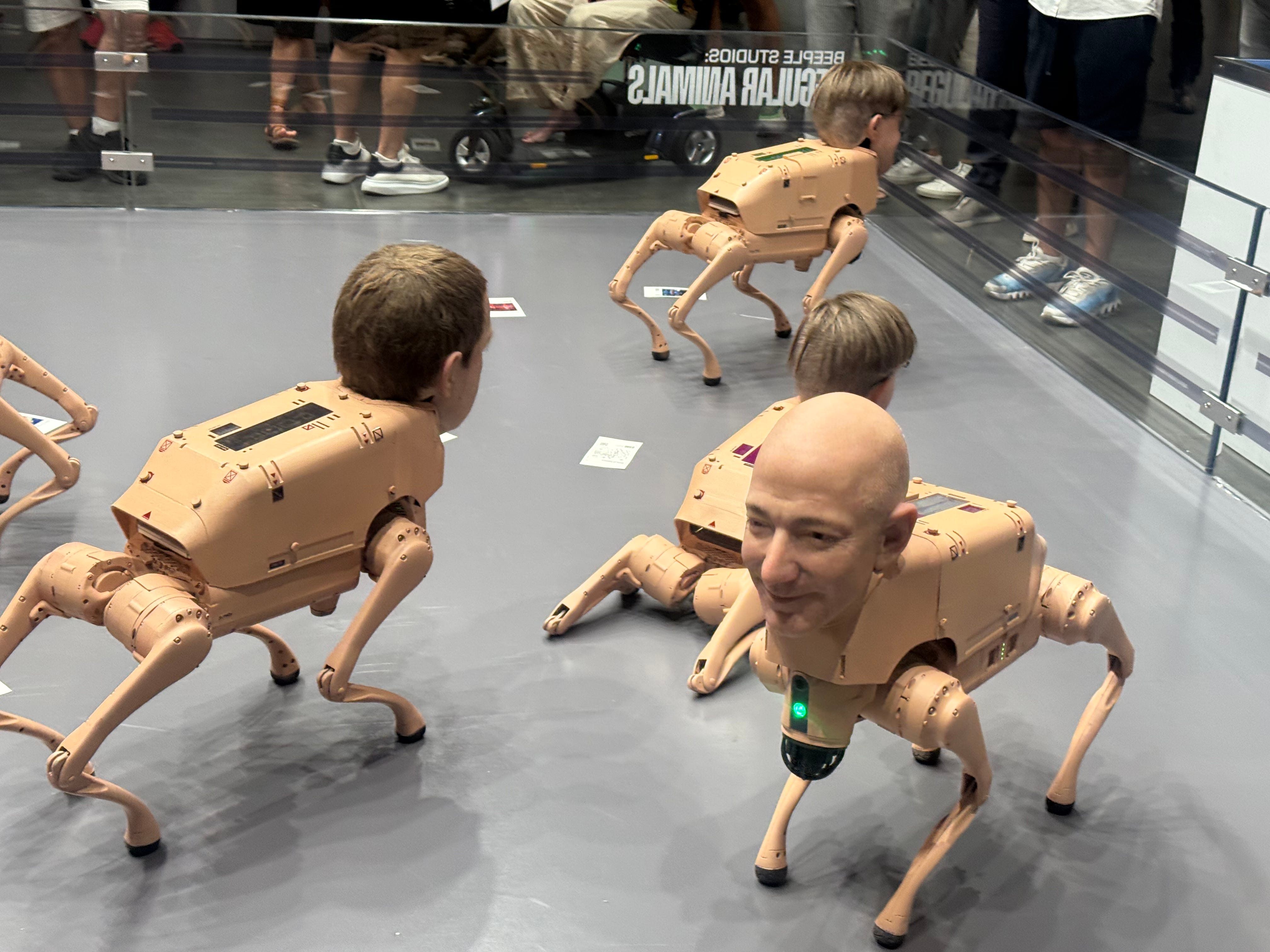
When I saw the installation on Thursday, the last day before the Art Basel convention became open to the public, there was already a mob of spectators and collectors with phones snapping up the mockery of the most powerful men on the planet, mouths smirking at the canine fuckery as if their snarls could somehow adjust the imbalance of power held by the figures. A few spectators — all men — stepped into the dog ring to pick up the sheets the DOGE-coded doggies were shitting out. The bums of each “Regular Animal” produced sheets of paper, a photo of the crowd, because, of course, these dogs were also surveilling and recording us as we were surveilling and recording them. Each photograph was rendered to the artistic viewpoint of the personified puppy: for Picasso, the photos were abstracted with the geometrical edges of Cubism; for Warhol, it was tinged with the vibrant hues of Pop Art; and for Musk, it was bleak, black, and white.
According to Beeple, the alignment of these wealthy men with Warhol and Picasso is meant to represent a shift in cultural custodians, moving from agents of artistry to agents of algorithms and AI. The work posits that technology has become the dominant canvas of culture today, and, as a result, Mark, Jeff, and Elon are meant to be viewed in tandem with some of the art world's legacy acts. I suppose the work is meant to confront, to be urgent, to subvert, but the installation’s positioning at Art Basel Miami, which is estimated to generate hundreds of millions in art sales and over half a million dollars for Ron DeSantis’ Florida, tips its hat to another theme — that the art world, and popular culture, has not only become completely interlocked with capital and corporate funding, but that money has perhaps become the art world’s most prevalent muse.
By relegating the richest men in the world to tweaked-out beasts, Beeple’s “Regular Animals” reaches with strained fingers at subversion, attempting to make the men victims of their own technology through didactic allegory. But all abstraction is lost when the fixture is placed within the Art Basel convention center, only a five-minute escalator from the Chubb Insurance Collectors Lounge, navigated through the UBS-powered Art Basel mobile app, and the surrounding beach parties funded by Chase Bank. And this isn’t a knock on Art Basel; the goal of the convention is to sell and get artists paid. No one walks into the convention center unaware of its reliance on patrons. Yellow stickers that indicate the sale of a piece are proudly placed next to a work, “just to let ya know” it has been taken off the market in a private sale days before the convention’s public opening, and you’ve, unfortunately, missed out — rats! “Regular Animals’” unhooding of the power men who fund the circus doesn’t do anything to disempower them; the artists, the gallerists, and the surrounding partygoers are acutely aware of who is picking up the check. Positioning their heads on animals is as effective as a double underlined sentence: excessive, loud, rudimentary, and in poor taste.
Centering money in the world’s biggest art mall isn’t the “gotcha” Beeple believes it to be. Despite the aesthetic success of the installation’s surrealism and its captivating images of body horror, the piece’s effect is that of realism. It just feels like we are saying the loud part, well, out loud.
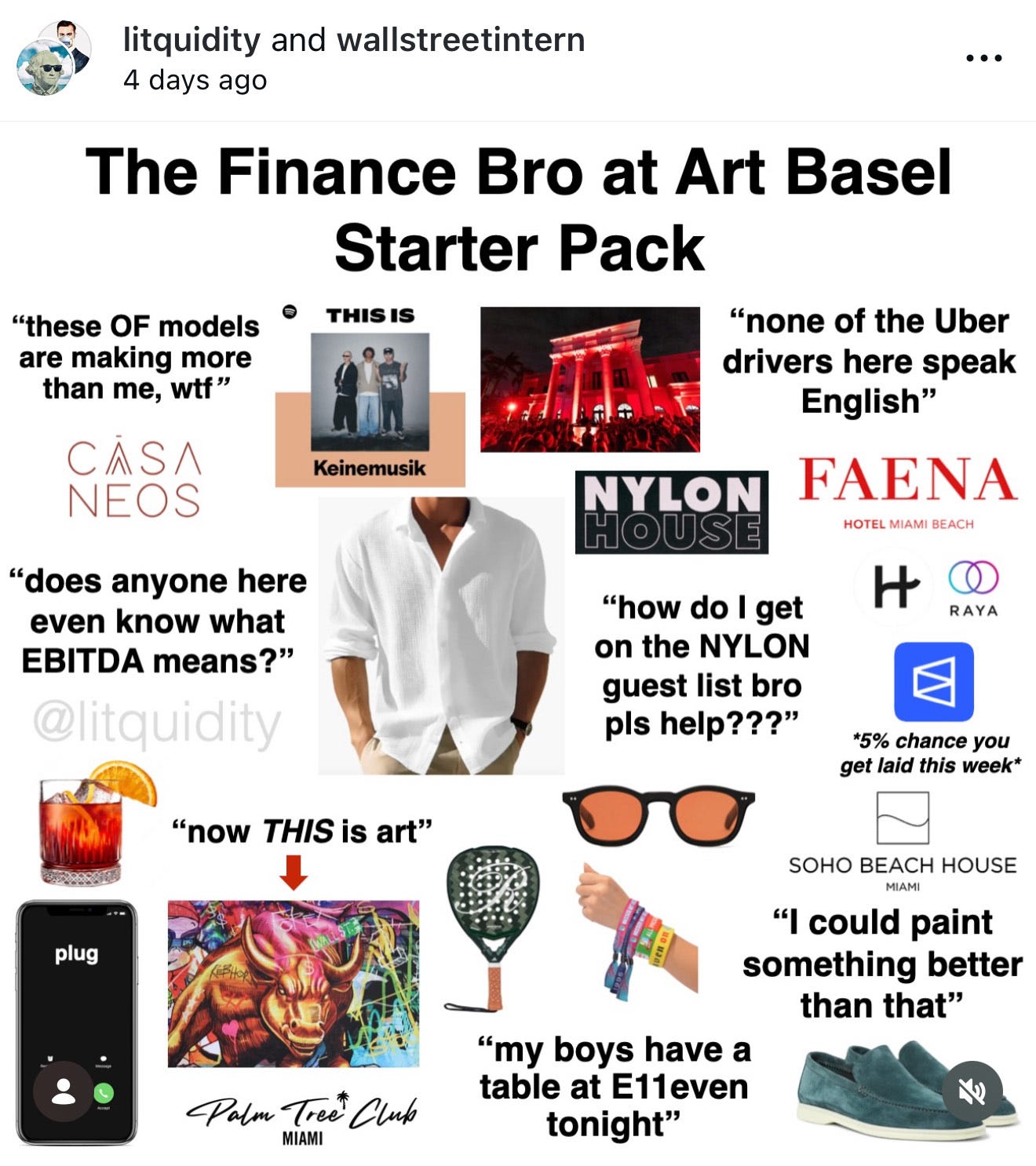
Still, throughout the week, various artists, art dealers, critics, and curators discussed the role of art and its relationship to capital. The bloating of Miami Art Week, the swell of sponsored parties, and the corresponding hell of traffic became an introductory discussion point to many of my conversations. “Are you going to be at Art Basel Qatar? The Qataris are funding everything,” a curator asked me over chocolate cake one night. I kept hearing that more art was being displayed and sold than in previous years. Newer conventions outside of the hallmark Art Basel, such as Untitled Art, Scope Miami Beach, and NADA, have established a name for themselves and the artists they represent, equipped with their own masthead of strategic sponsors. The first-ever Art Basel Awards happened on Thursday evening with speeches from music producer and art collector Swizz Beatz and a dazzling performance by avant-garde pop artist Kelsey Lu. The inaugural awards were presented by Hugo Boss, and the brand dressed a medley of the artists, curators, and critics in attendance, putting a few of them in the Ritz, too. Many of the industry folk who I spoke to were excited, mentioning that the awards, the uptick in events that showcase concerts, and talks signals other avenues for art to be celebrated outside the commercial walls of the convention center, as well as an opportunity to highlight performance, an art form that, due to its corporeal elements, cannot be as easily monetized and auctioned off by a savvy dealer. Now, I don’t subscribe to the thinking that “Art isn’t art until it’s sold,” but I do love the mantra “But twenty dollars is twenty dollars!” It is too soon to know if the increased investment is a universally good thing — money rarely is — but I maintain a sense of optimism. It’s good when artists get paid.
There is a noticeable shift in the receptivity of artists who engage in strategic partnerships with corporations, one that forfeits ‘selling out’ in favour of celebration. Instagram comments are now littered with “get the bag, sis” when a new artist gets their first brand deal. As an audience, we have become too literate in the intricacies of star-making and marketing, the way streams have devalued how artists are paid to give our favourite talent shit for operating with both artist and careerist mindsets. We see the headlines of new deals being proposed with company mergers, and have no faith that artists who produce the work will see a fraction of the gains from the transaction. And so, artists can seek their own deals to support their work and make a living. No, I don’t subscribe to the belief that “Art isn’t art until it’s sold,” but I do wonder if we are moving to a world where “Art isn’t made until it is first sponsored.”
On a recent episode of Middlebrow, the podcast hosts draw a parallel across HBO’s Entourage, Girls, and the new show I Love LA. While Vince of Entourage and Hannah of Girls had more creative pursuits like filmmaking and literature, Maia of I Love LA is in the service of not art, but corporate clients. She is an influencer talent agent and to her, as well as the Gen Z cohort she represents, the highest order someone can achieve is commodifying themselves to attract corporate sponsorships. This progression, across shows that each seek to speak to a particular generation, is fascinating. I assemble a fictional doggy pen of HBO showrunners in my mind, where one can view the creators of these beloved programs all barking in alignment like the pups of “Regular Animals.” In the litter, Lena Dunham is closer to Warhol, one of the last great custodians of pop culture of a particular era, while Sennott is closer to the Zuck, tweaked out with algorithm-brain. But, I’m inclined to believe that if Warhol were alive today, he’d love influencers and TikTok.
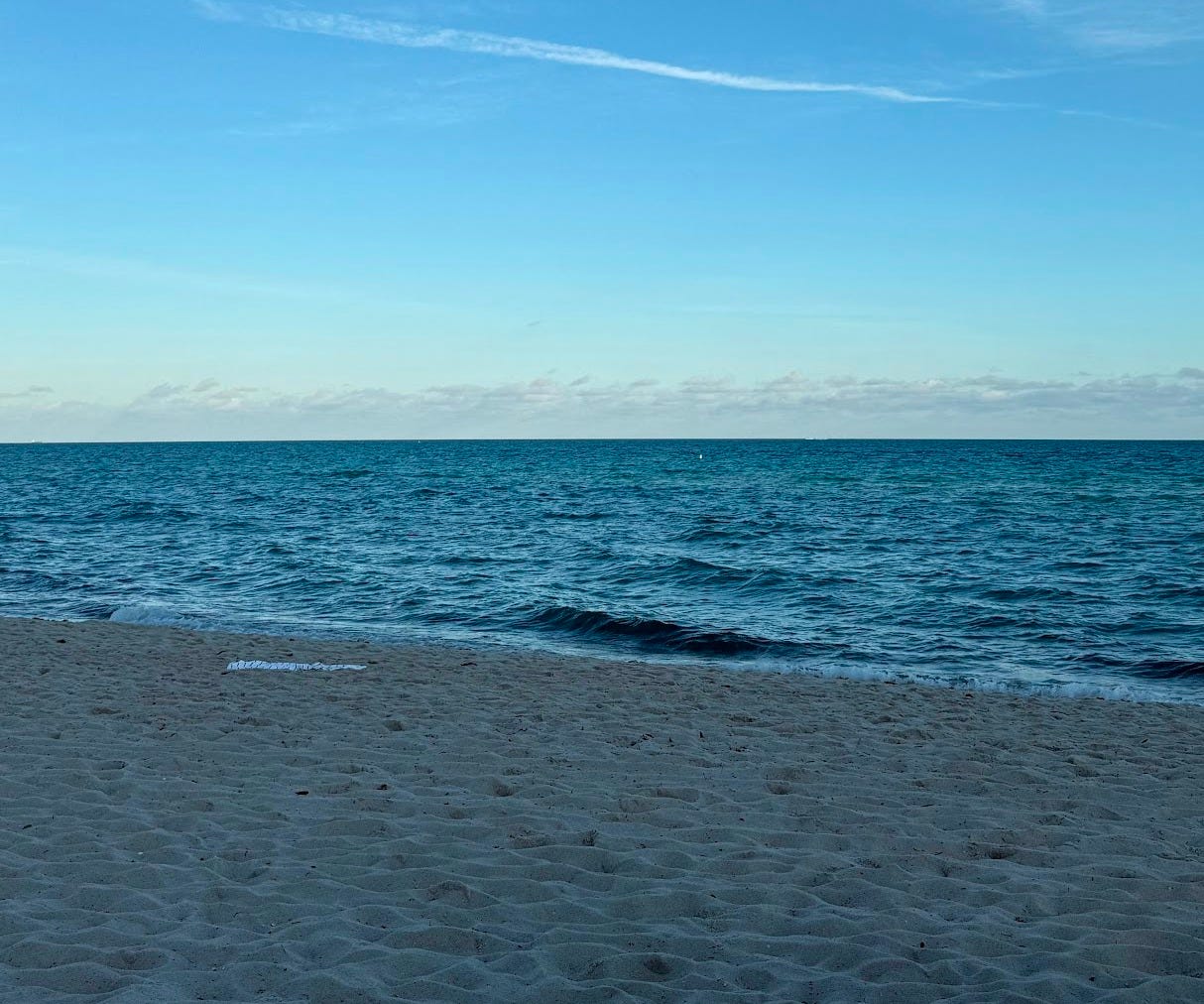
The water is cold in Miami. A shrapnel of seaweed laces my Achilles like a house-arrest ankle bracelet as I stride back to my beach chair. I grope my tote bag for sunscreen and realize I forgot it and, instead, steady my gaze back on the shore. The waves are bruised with teal welts, canvassing Royal Caribbean cruise ships, and Coca-Cola billboards buoyed beyond the coastline. Ribbons of ads attached to planes streak the sky, spelling out the best party to go to for the night, and subsequently, what personal injury lawyers to dial. Grey Goose logos crest beach umbrellas somewhere in the distance. I guess it’s always been like this. There’s no selling out; there are only good deals and bad deals. Good artists and bad ones, too.
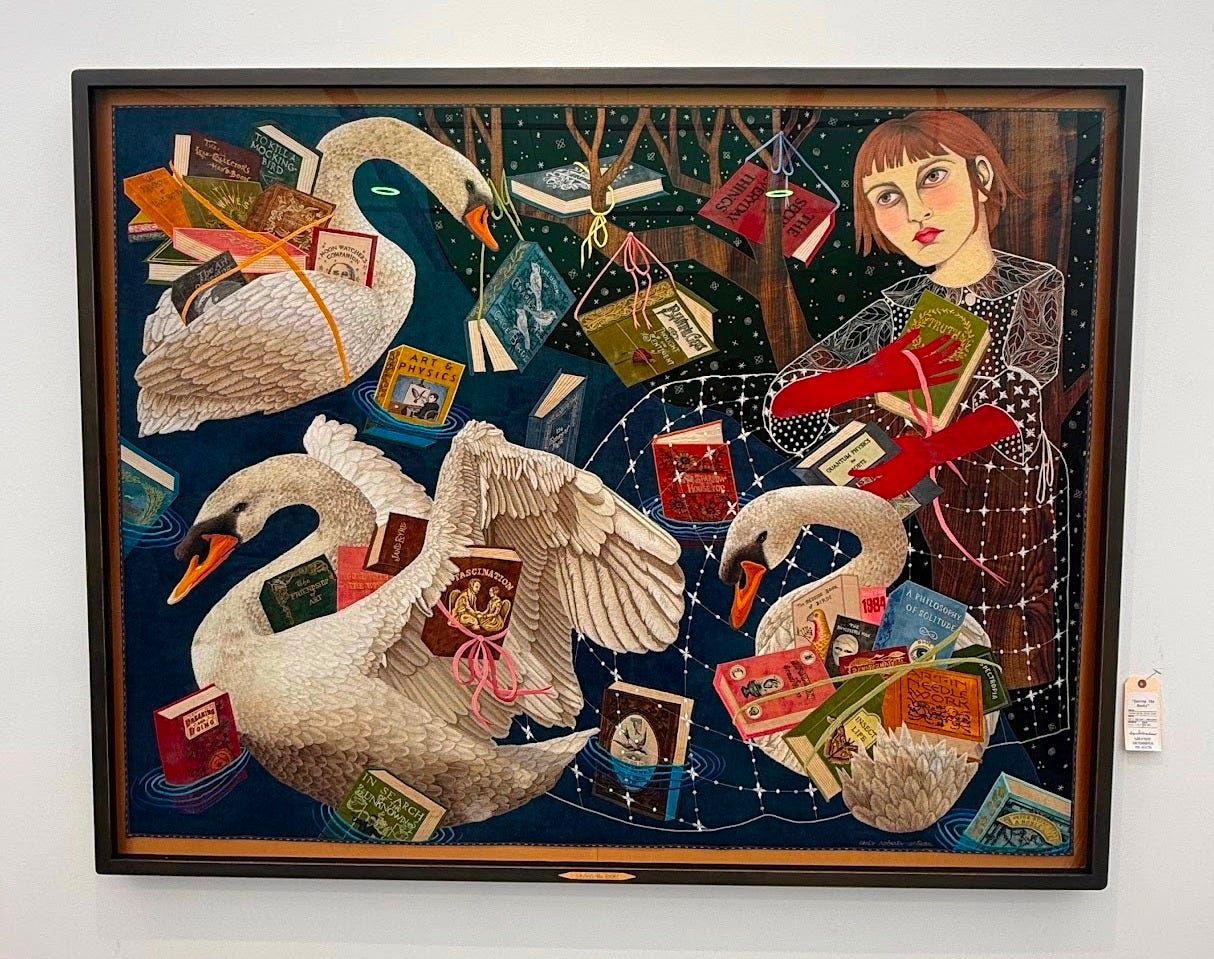
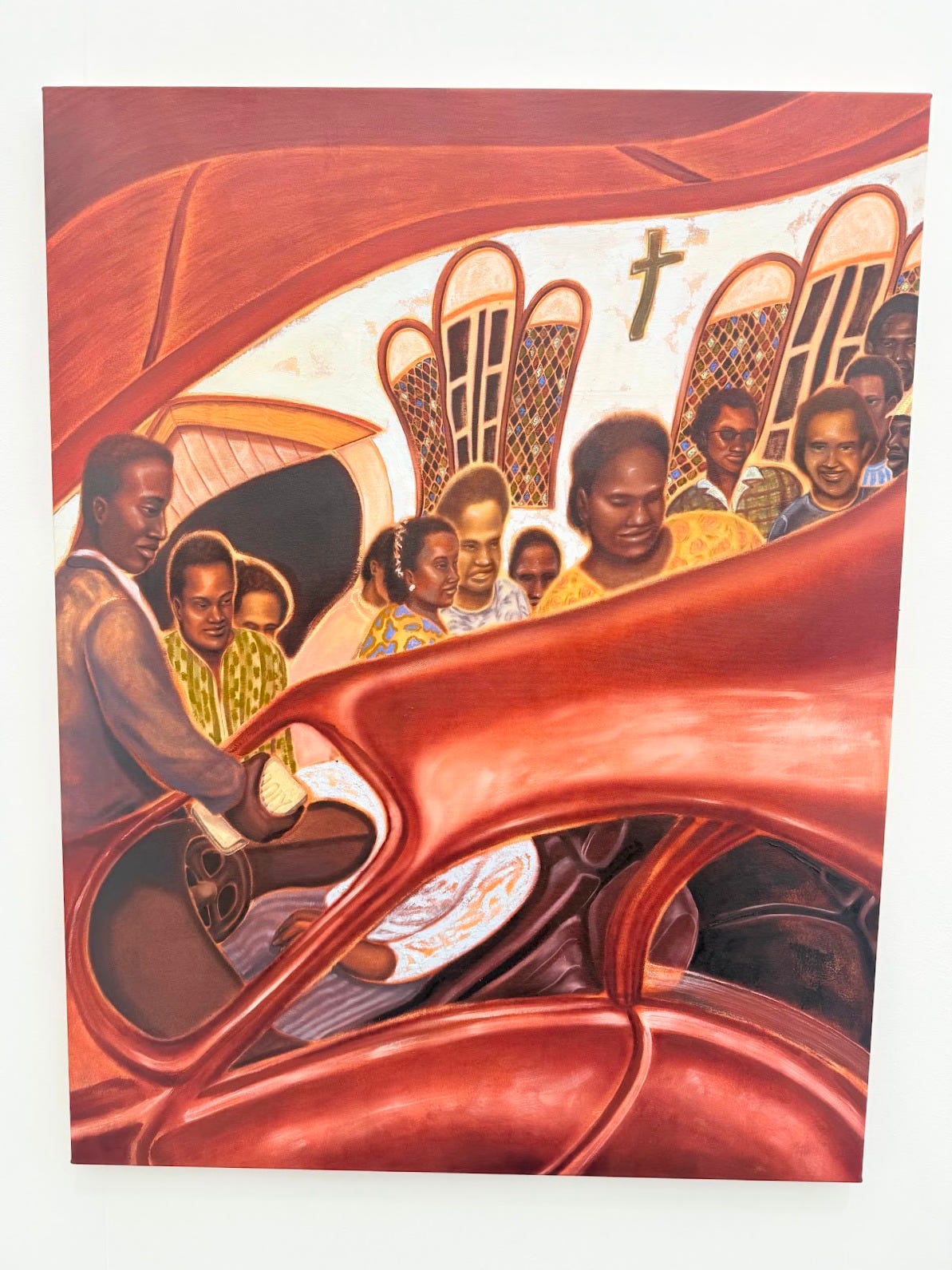
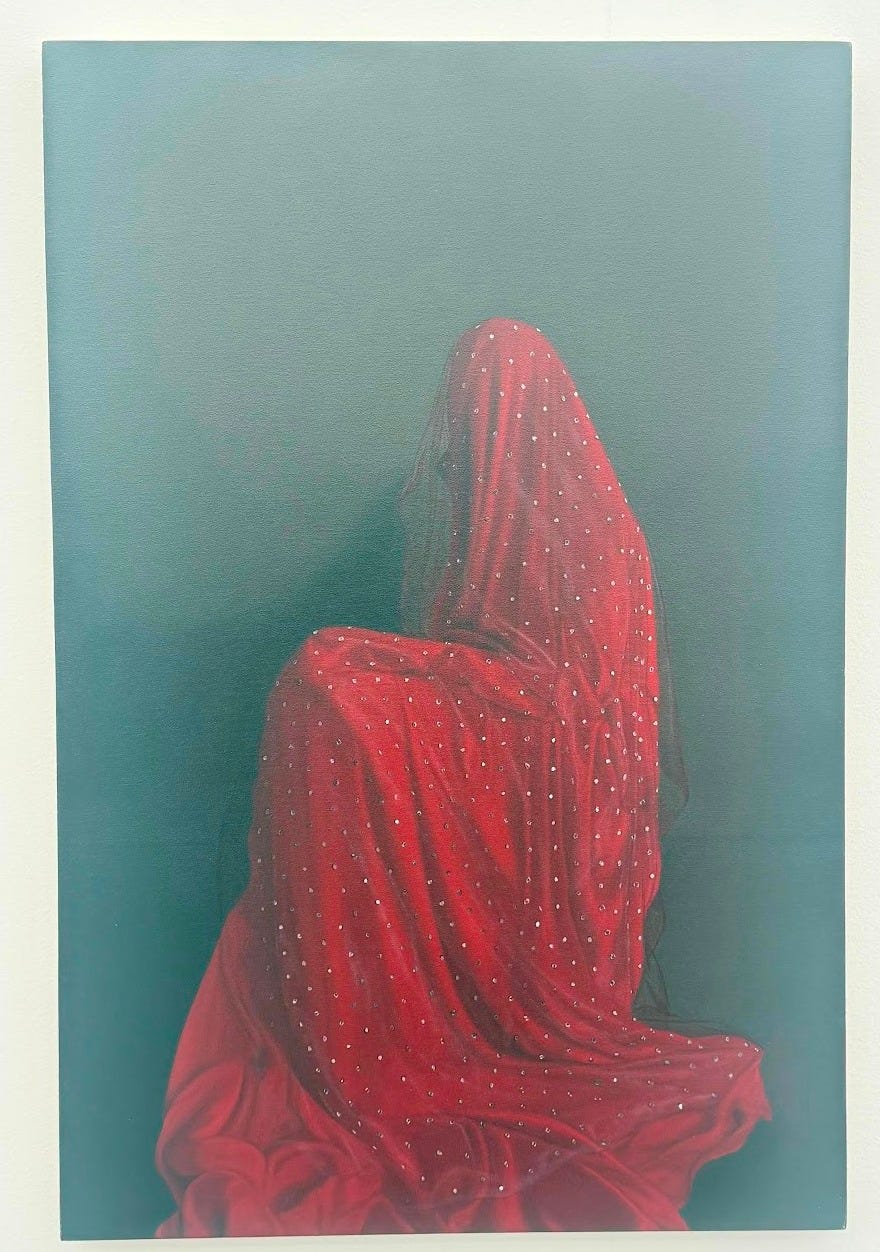
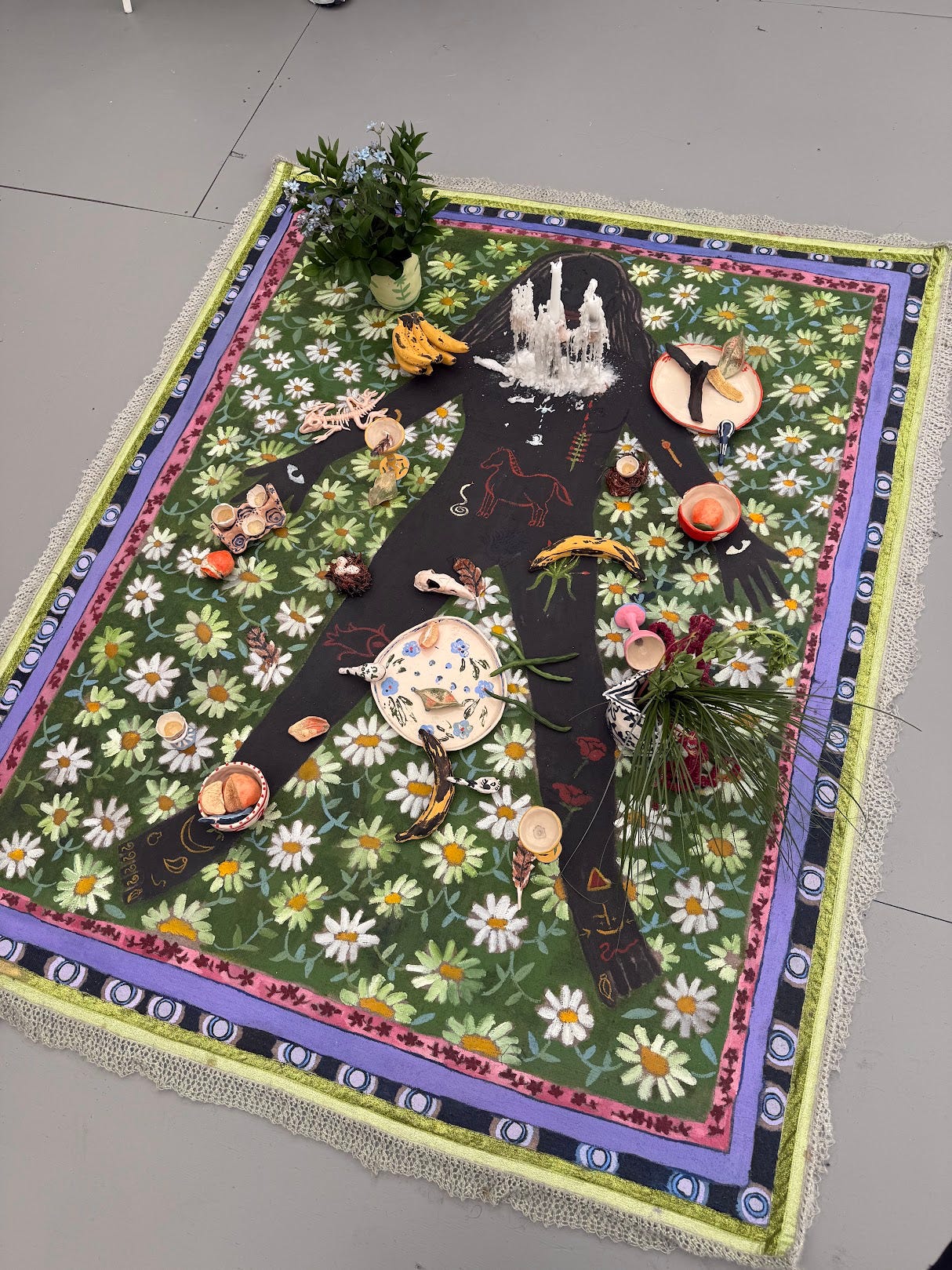
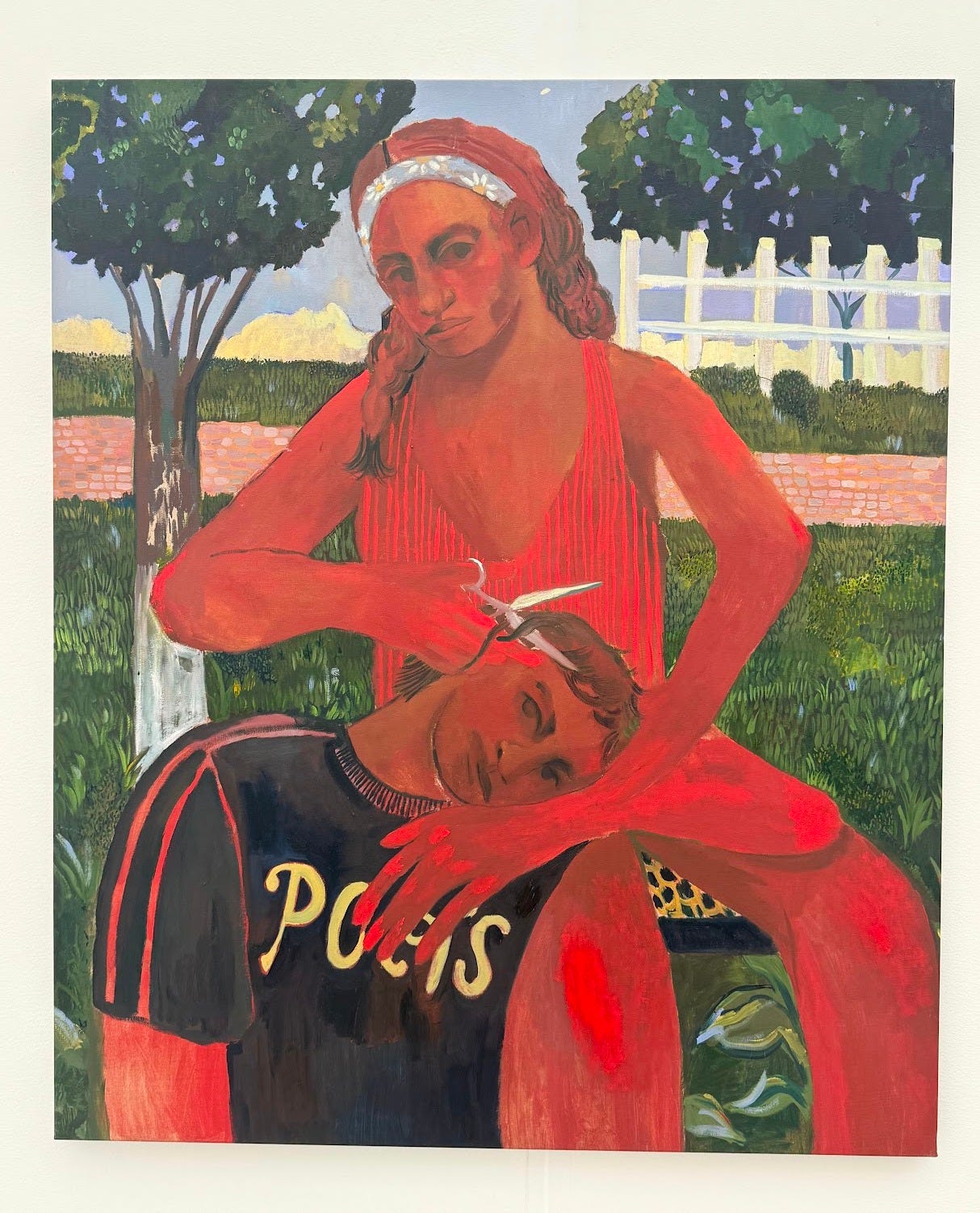
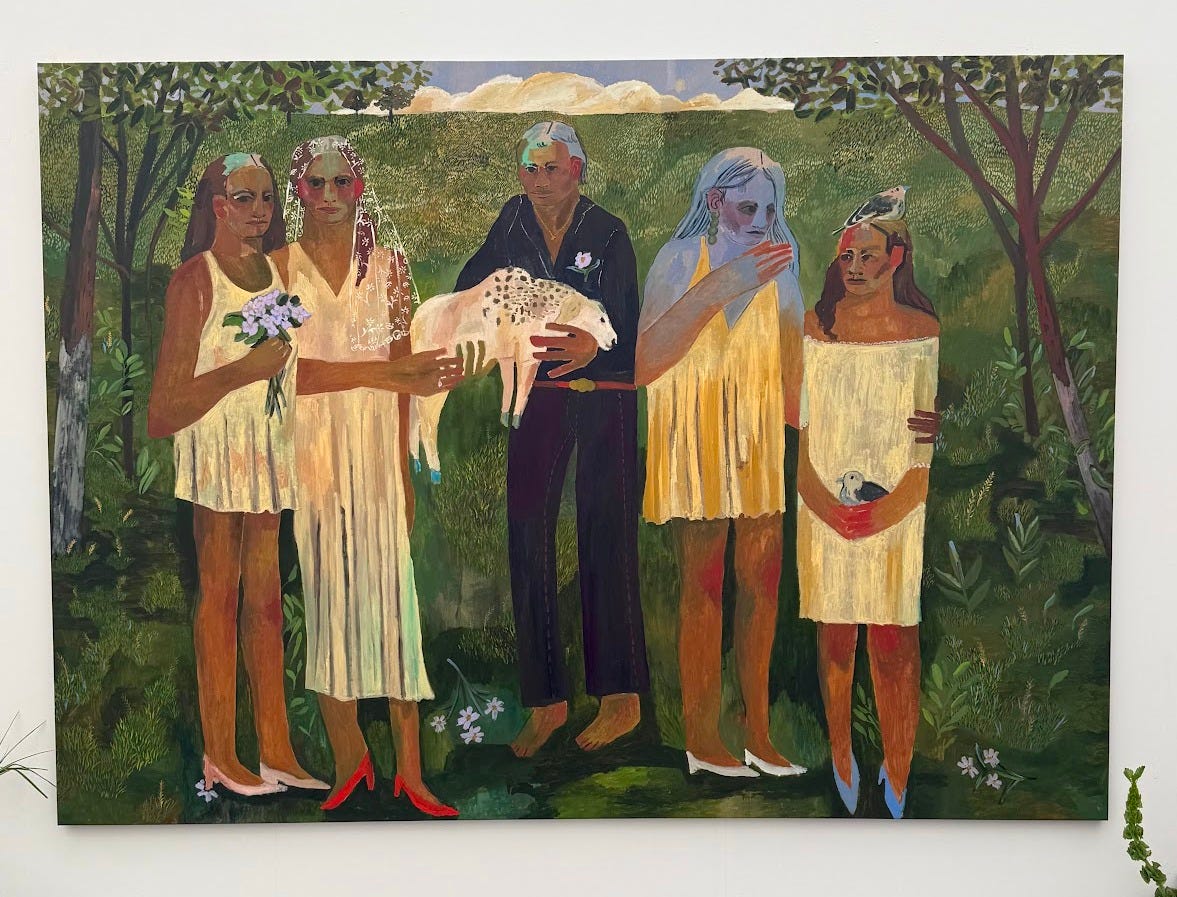
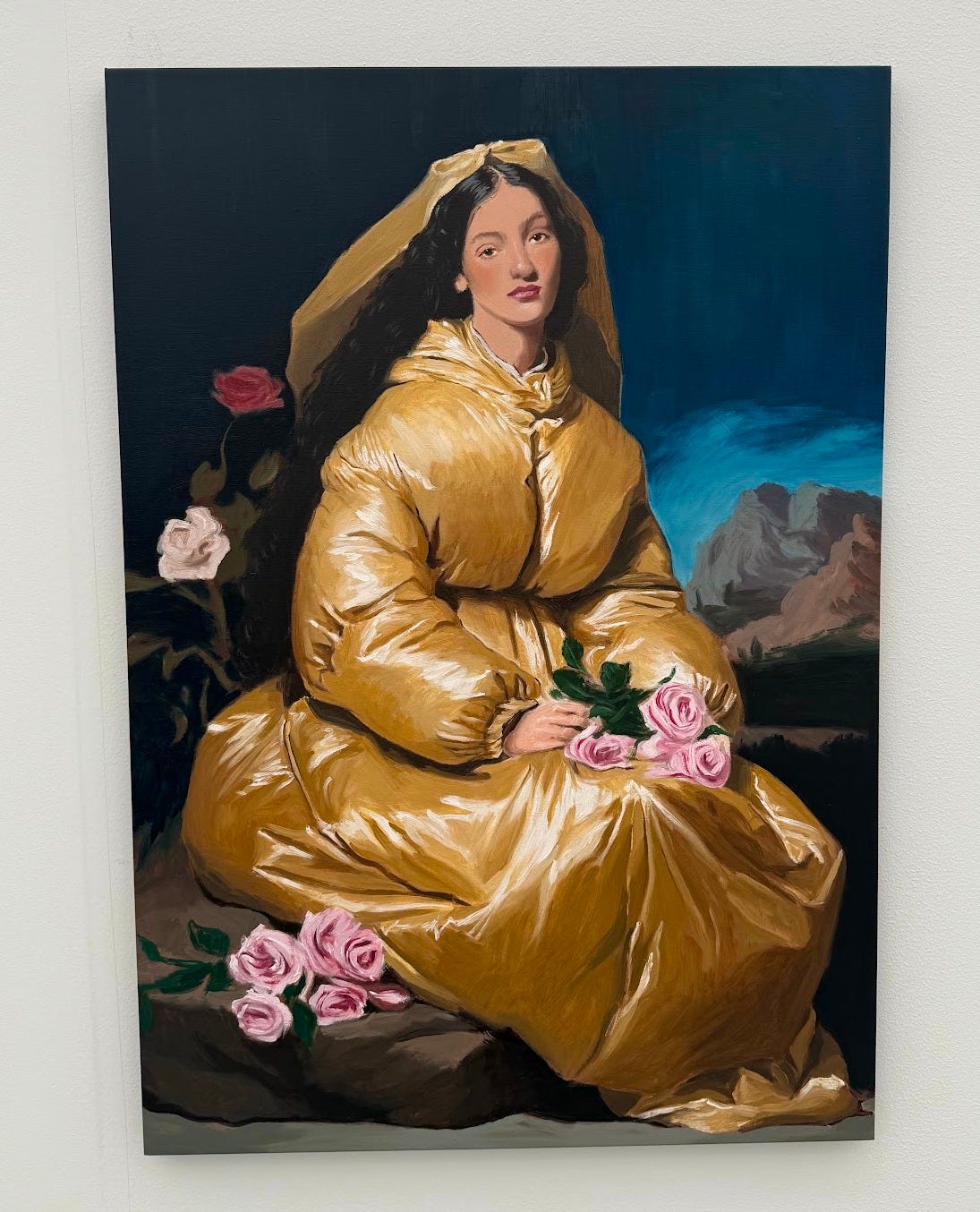
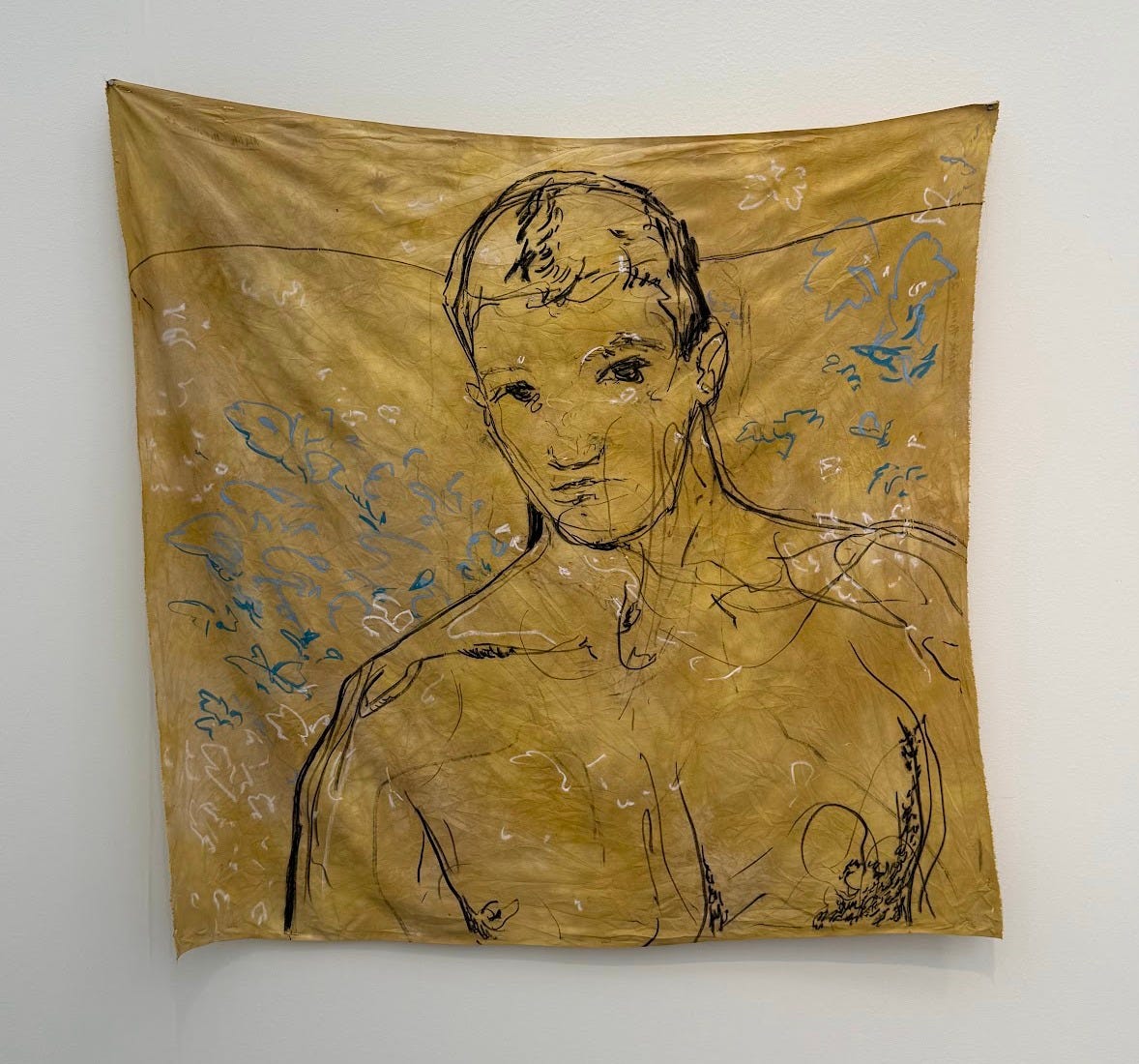
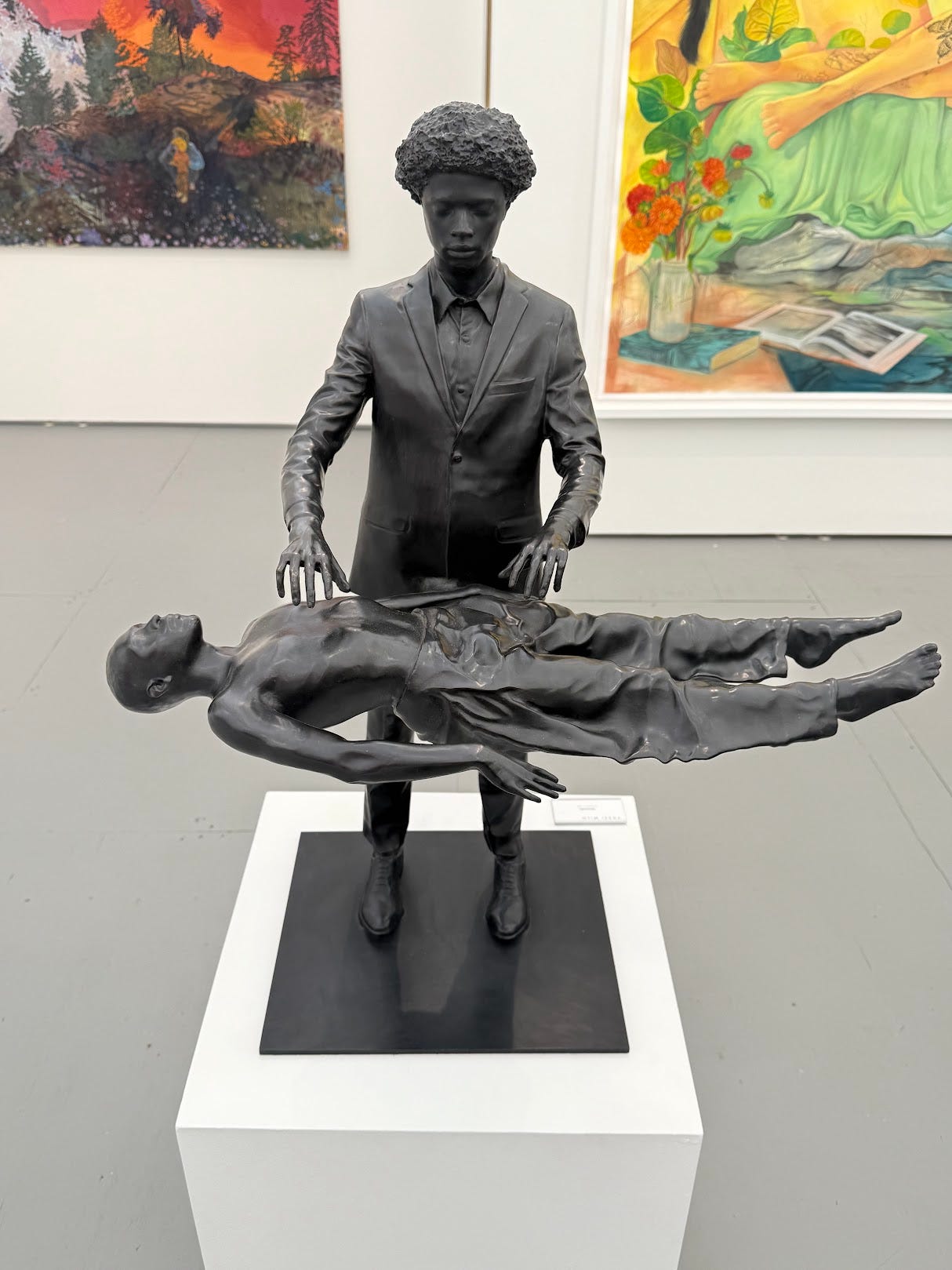
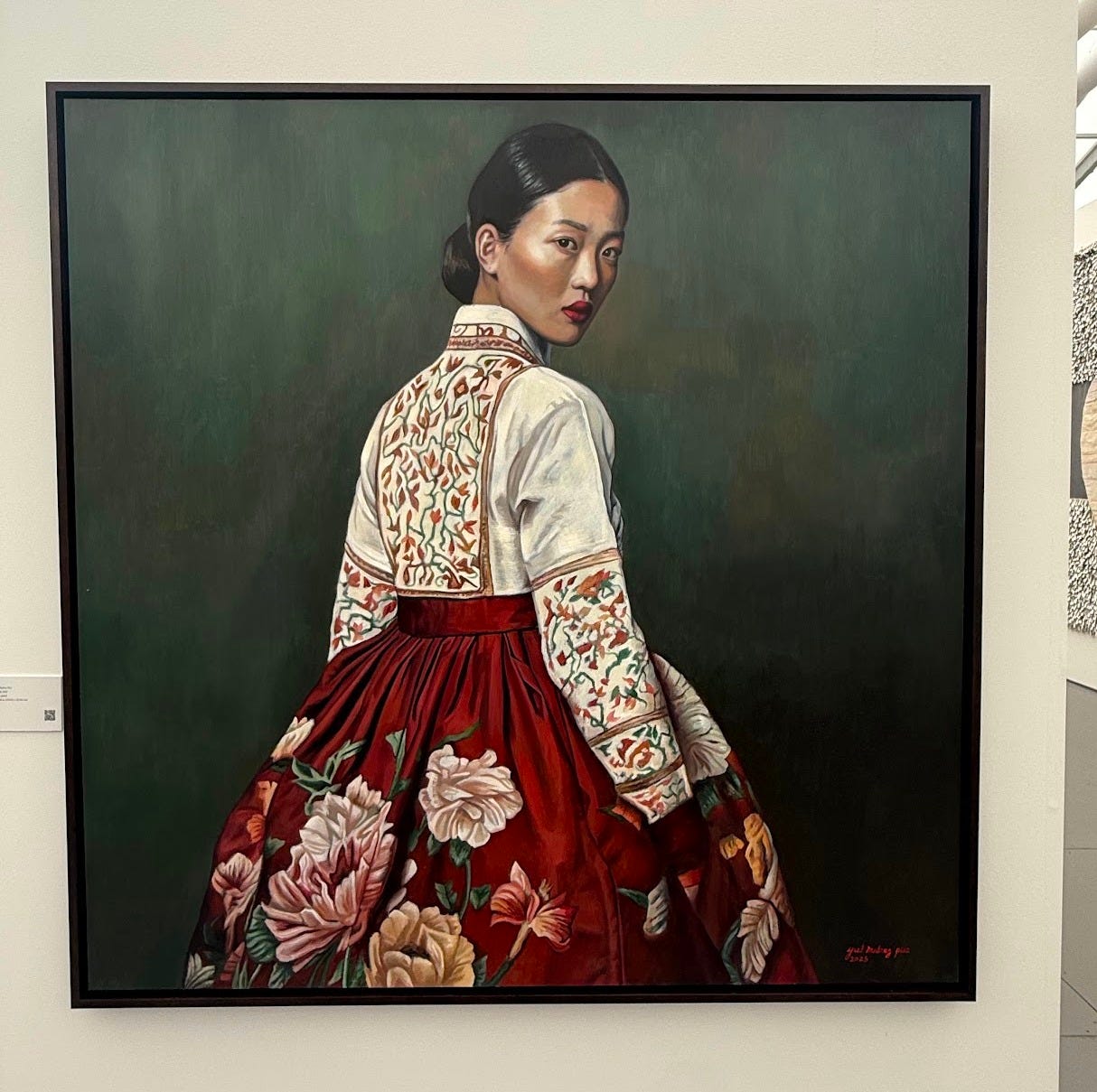
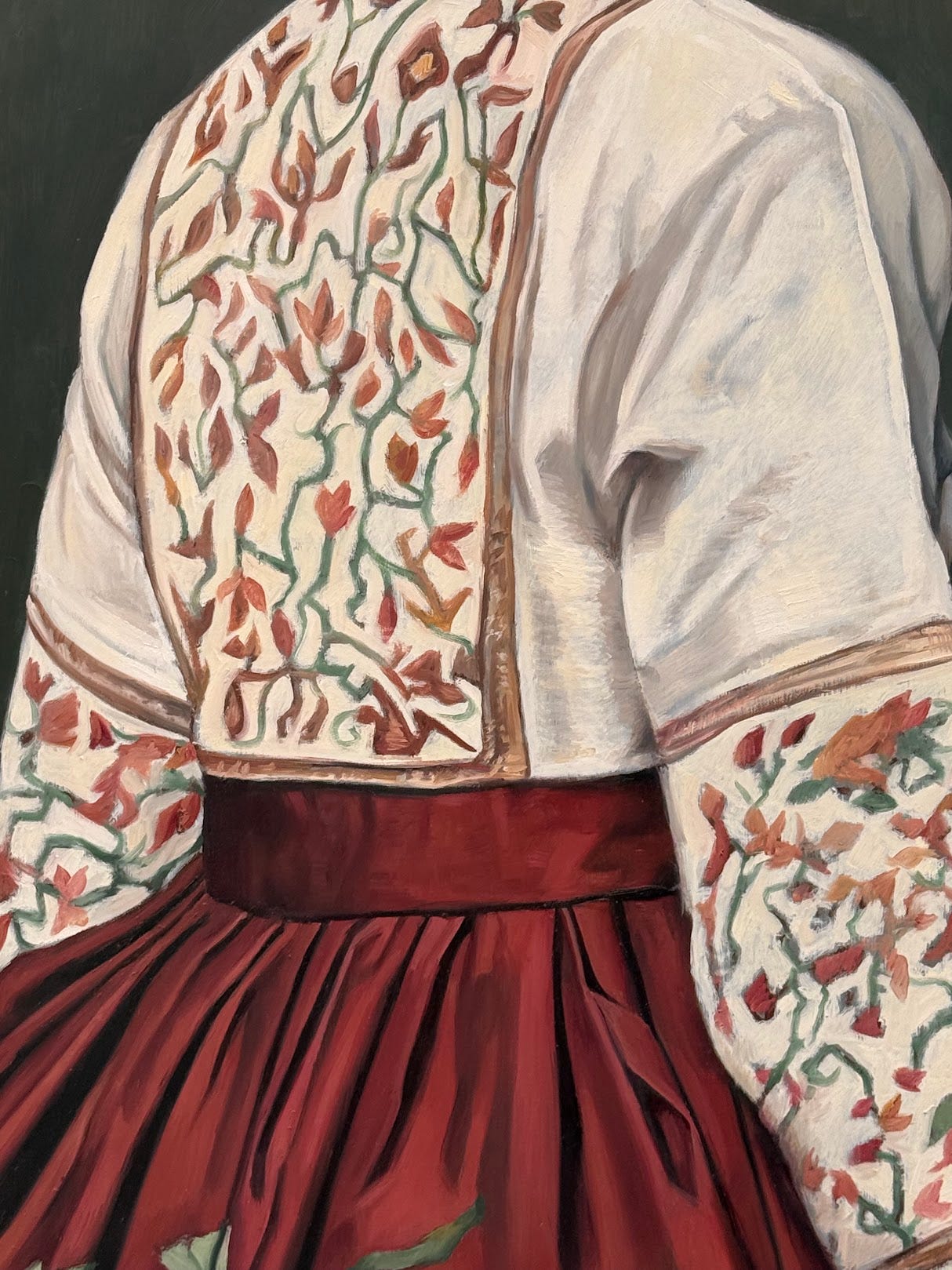
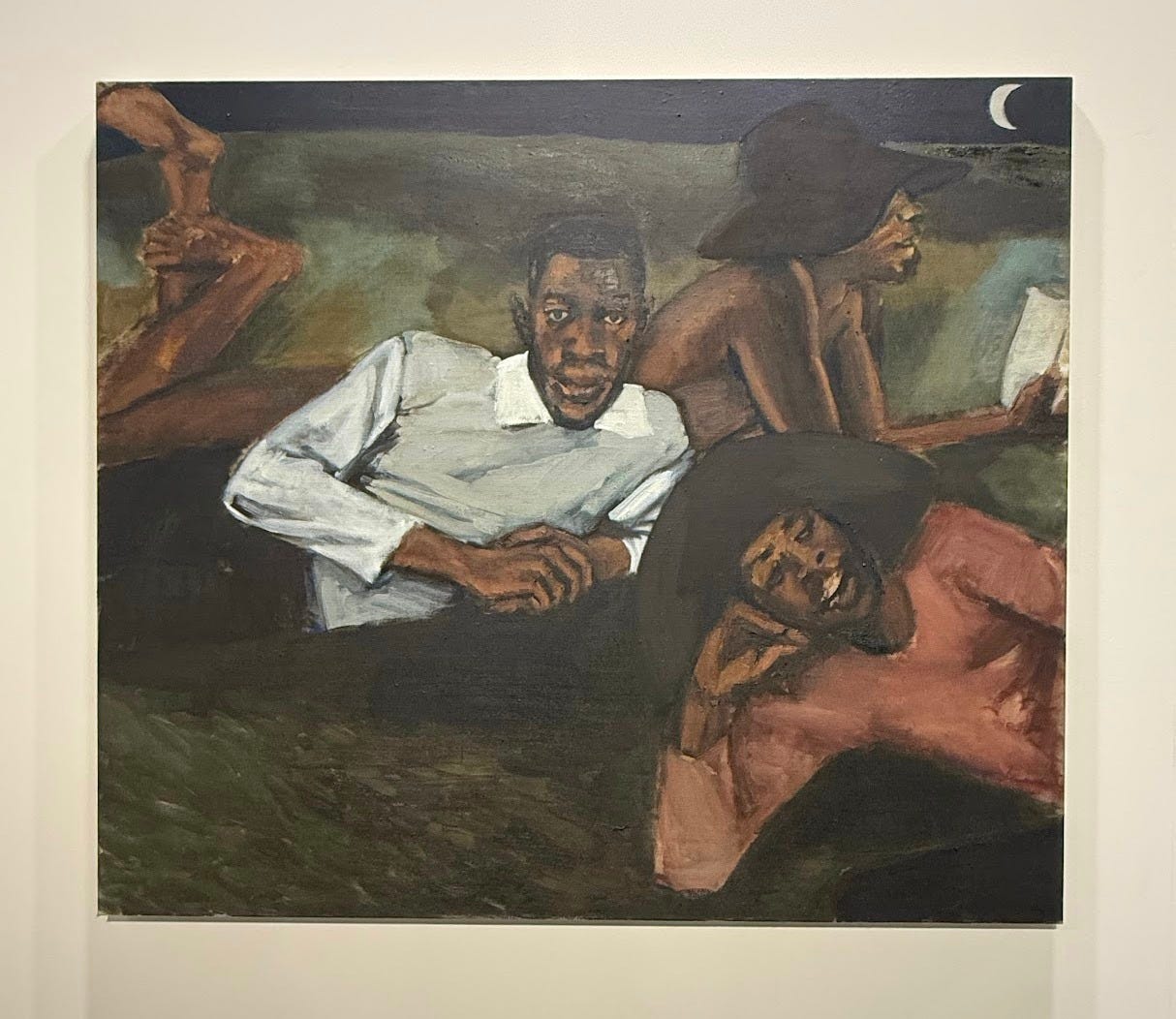
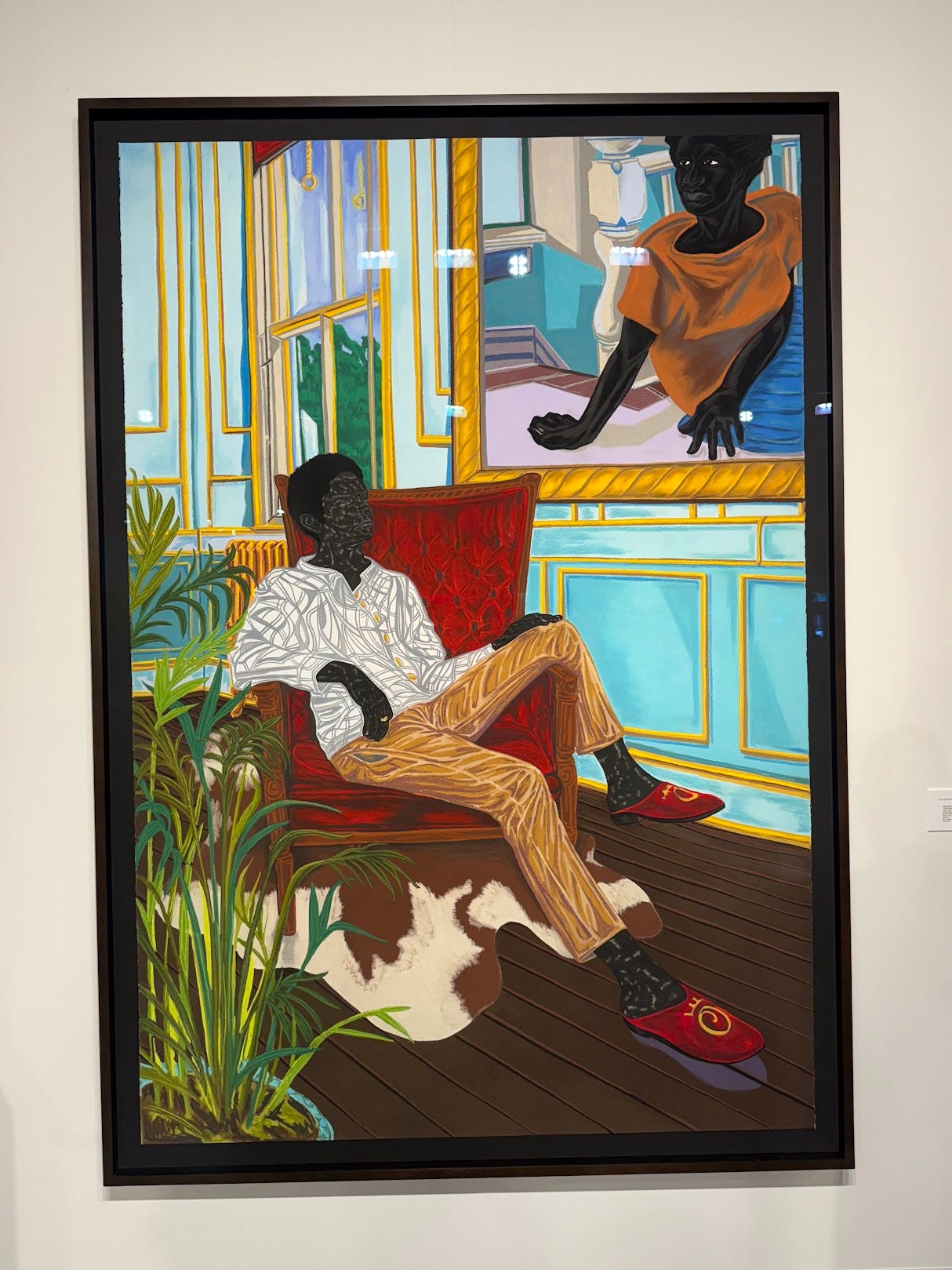
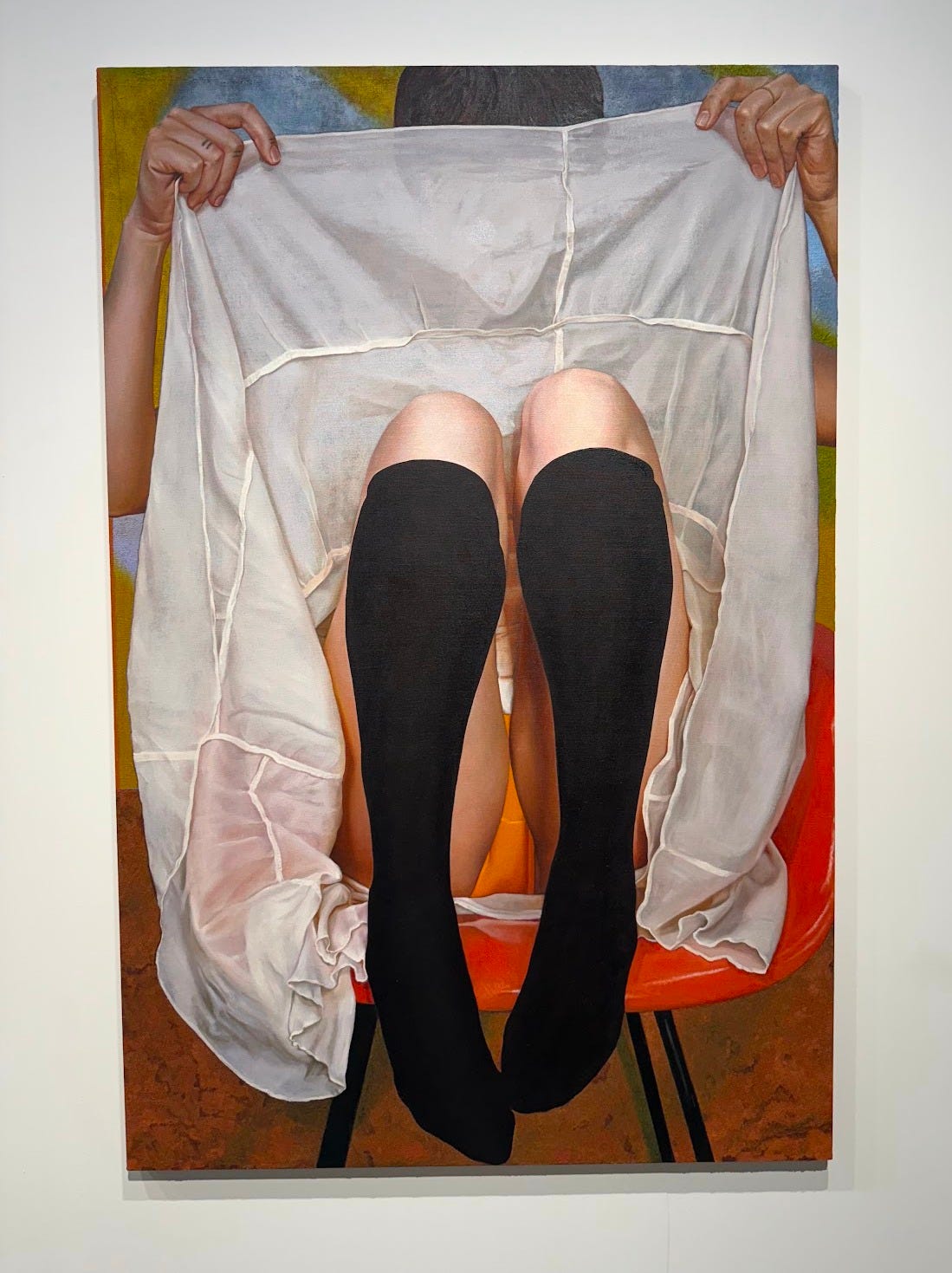
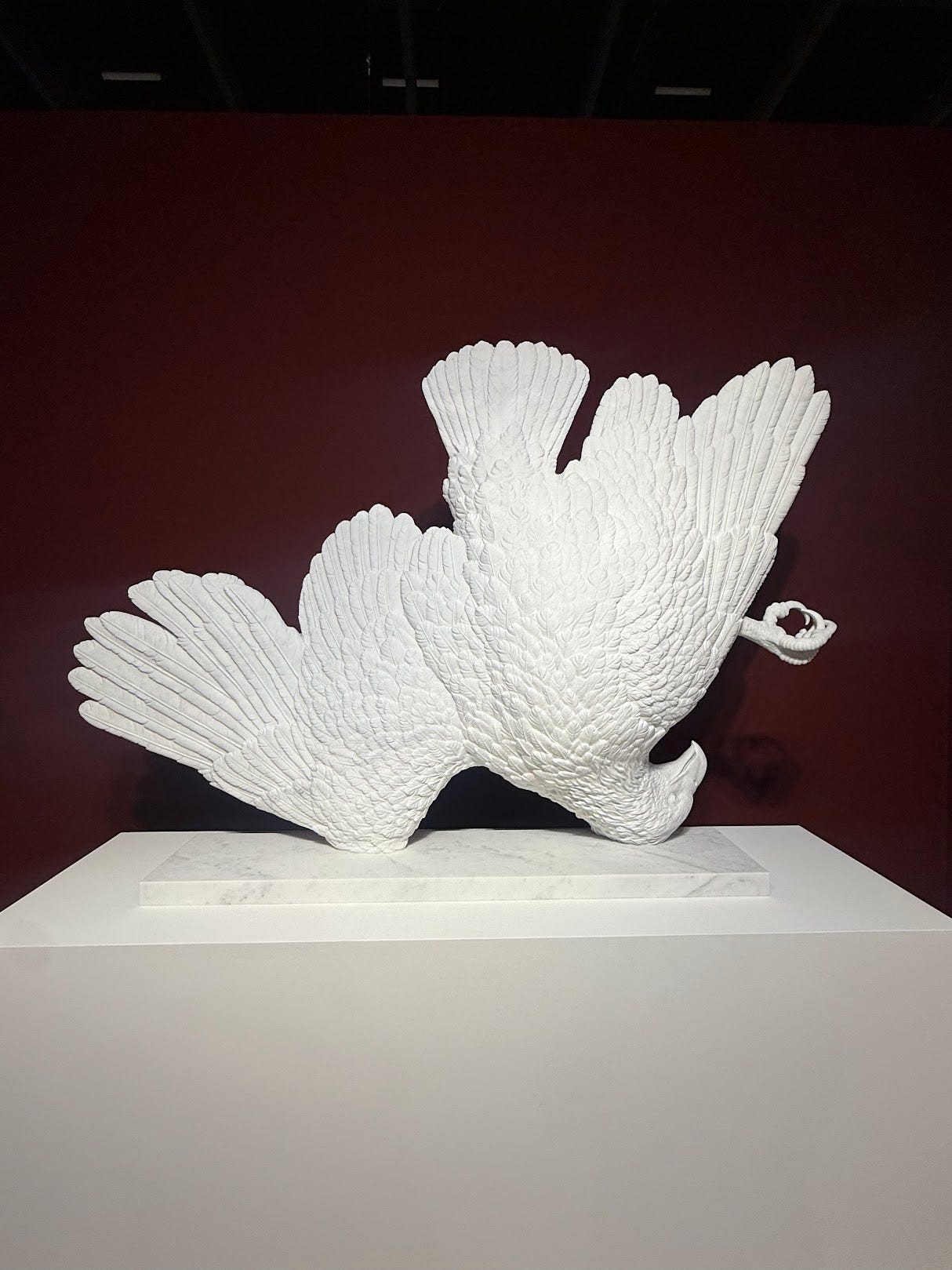
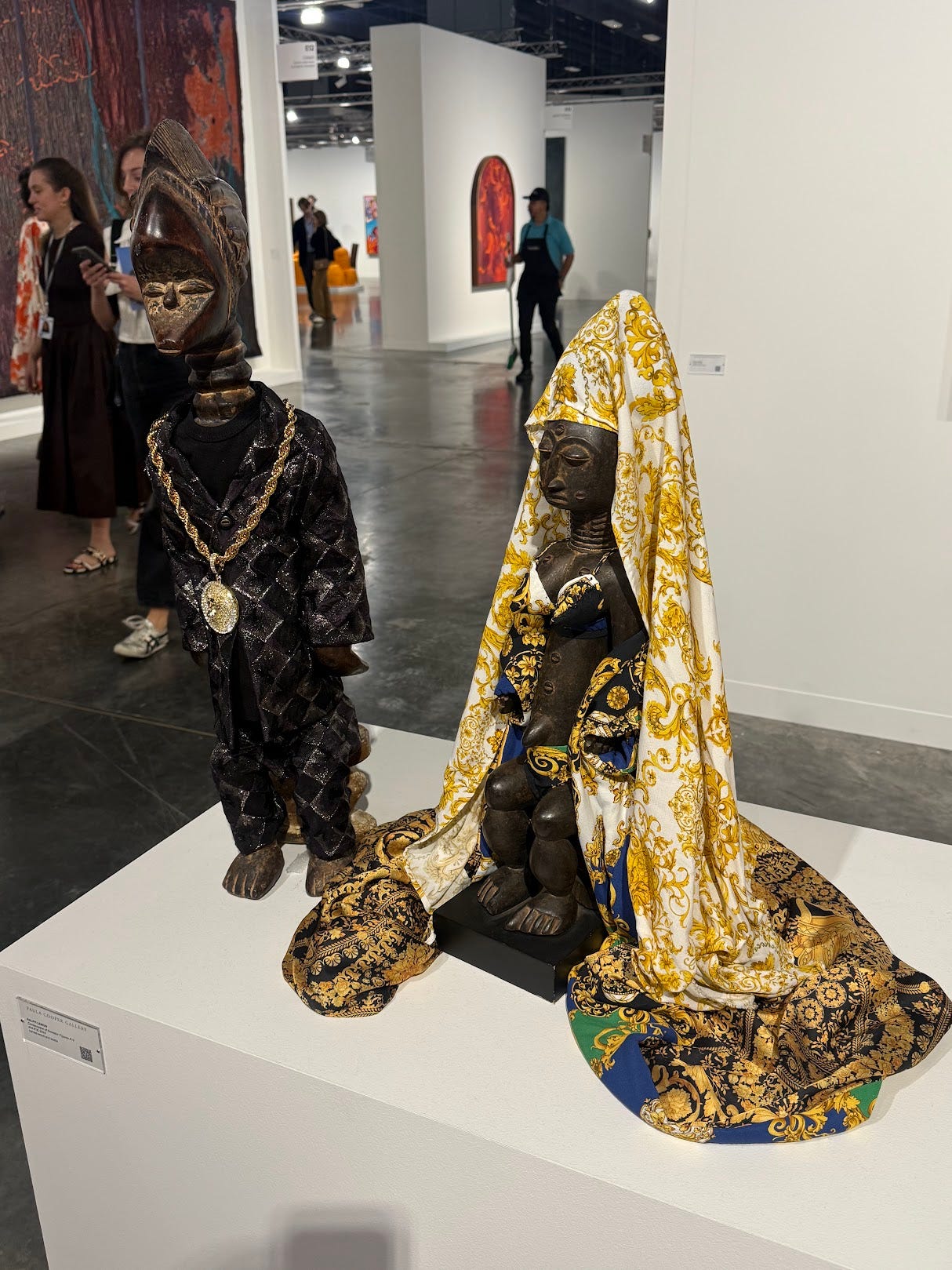
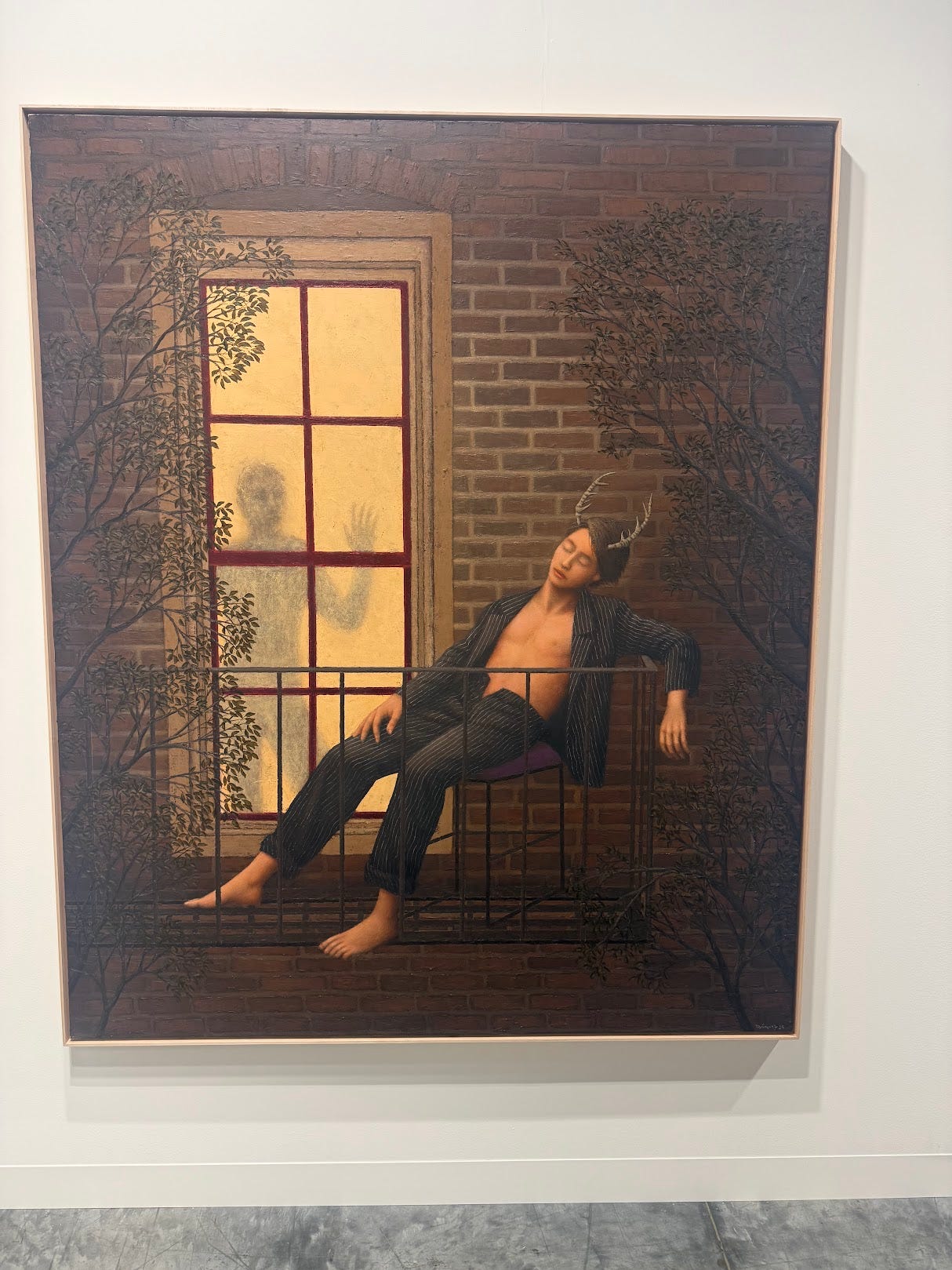
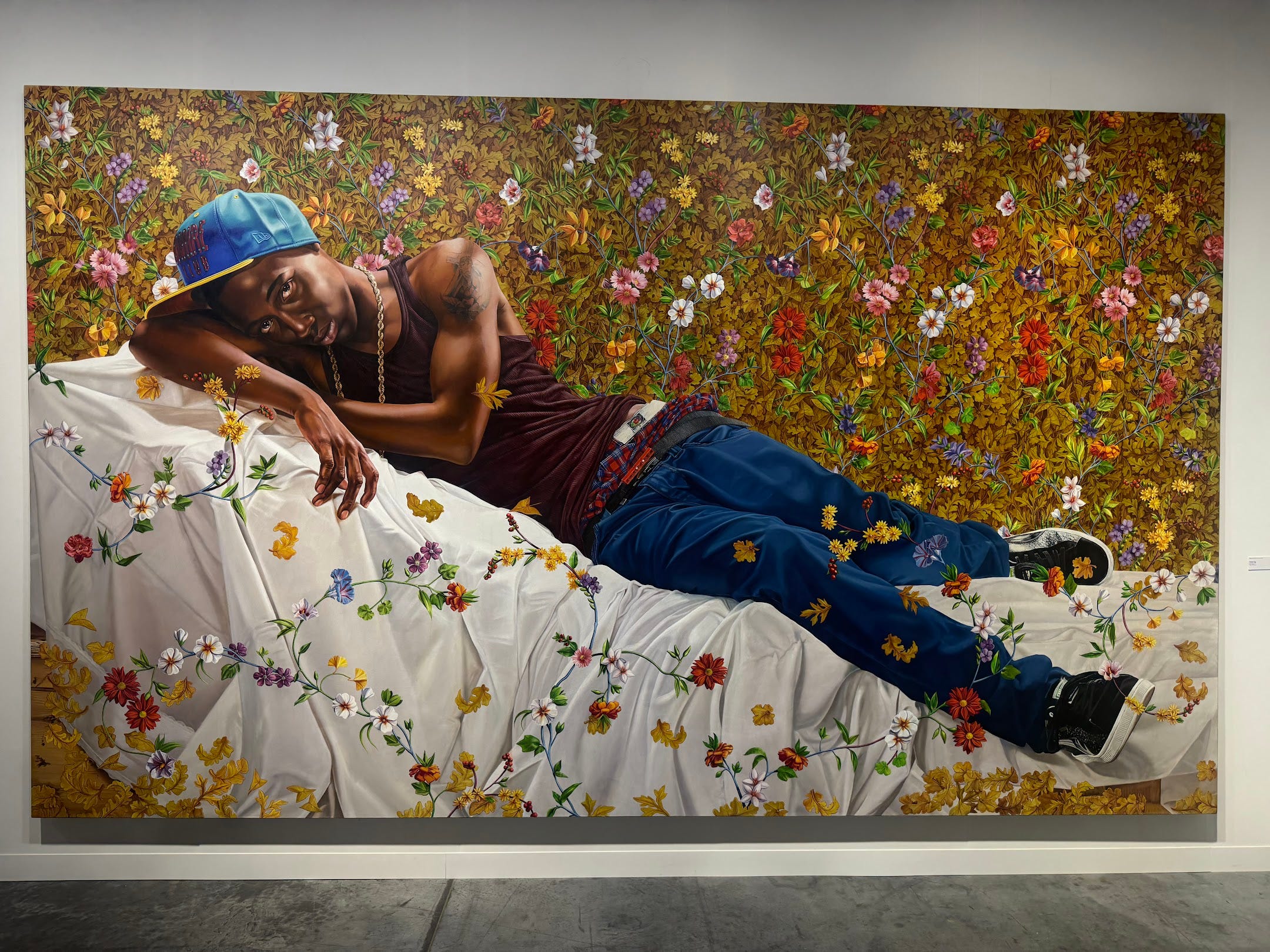
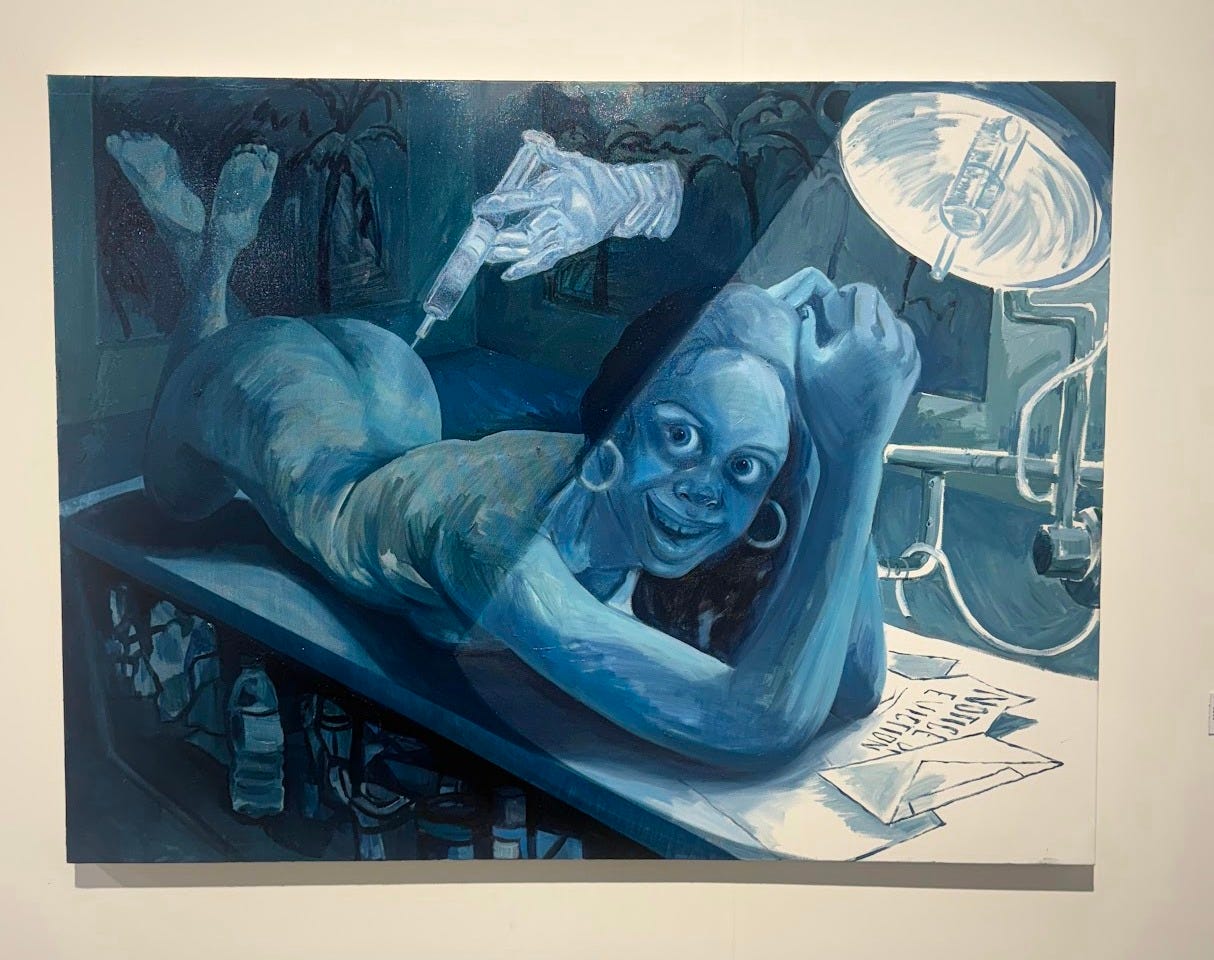
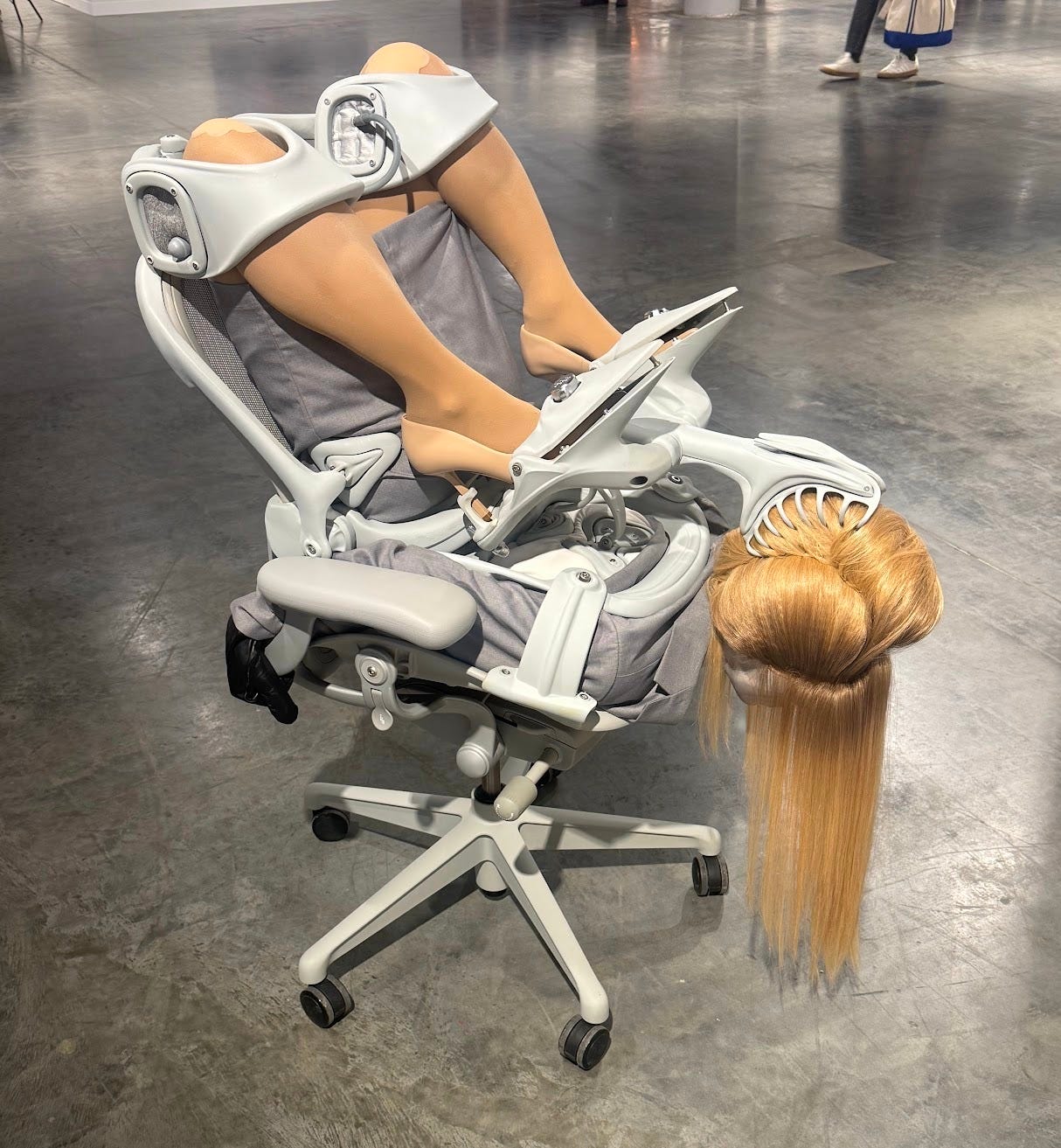
I wanted to share the art that I loved over the week from Art Basel Miami and Untitled Art Miami Beach. I’ve listed each artist with their respective work. This marks my third year of covering Miami Art Week for LOOSEY with a mix of criticism and photo diary. You can read/look at the two previous years here and here. If you like what you’ve read and saw, please share with a friend and subscribe.
This post is low-key long so it may get cut off in your email. Switch to your browser or read on the Substack App for the best experience. Happy scrolling!
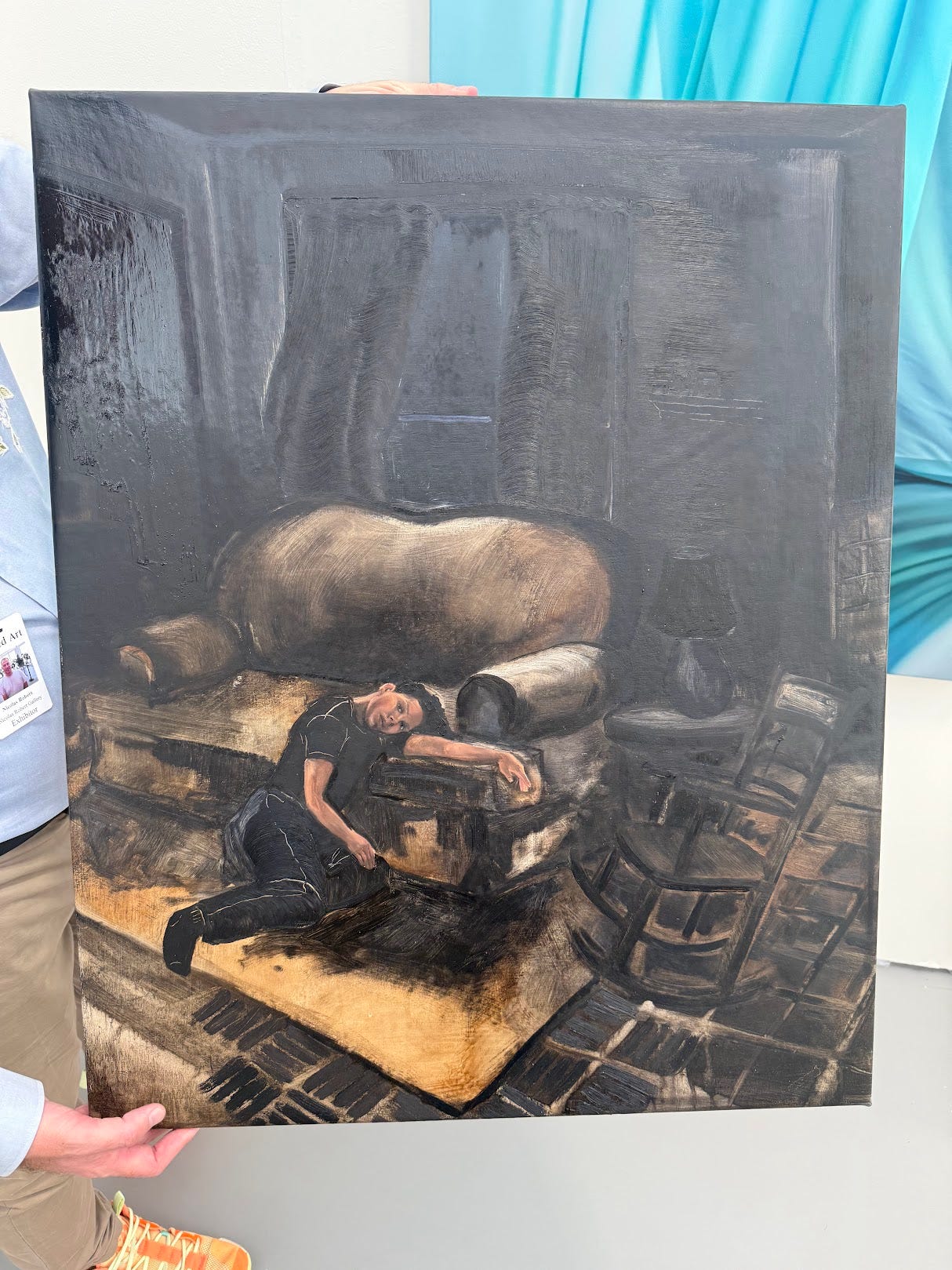
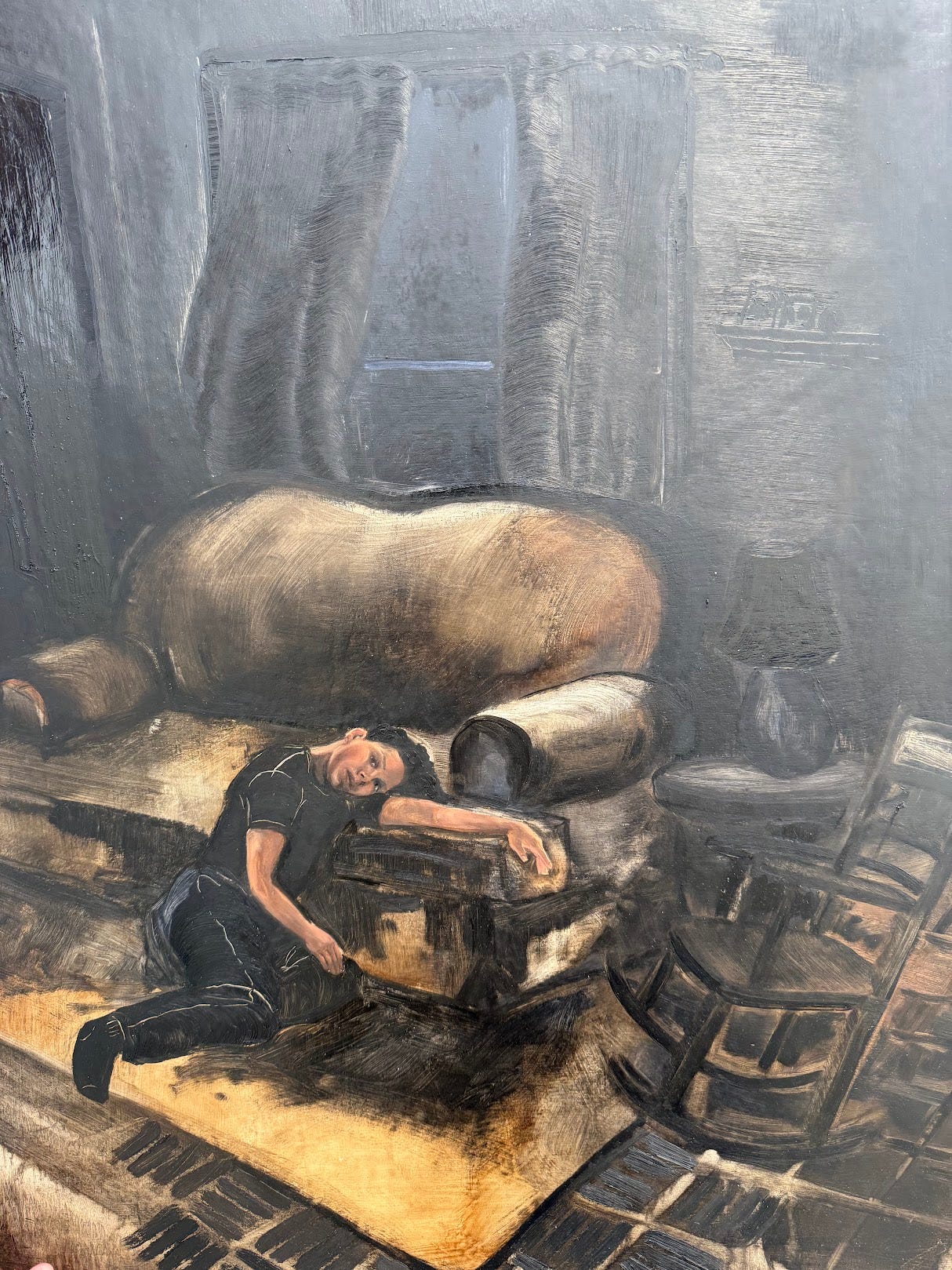
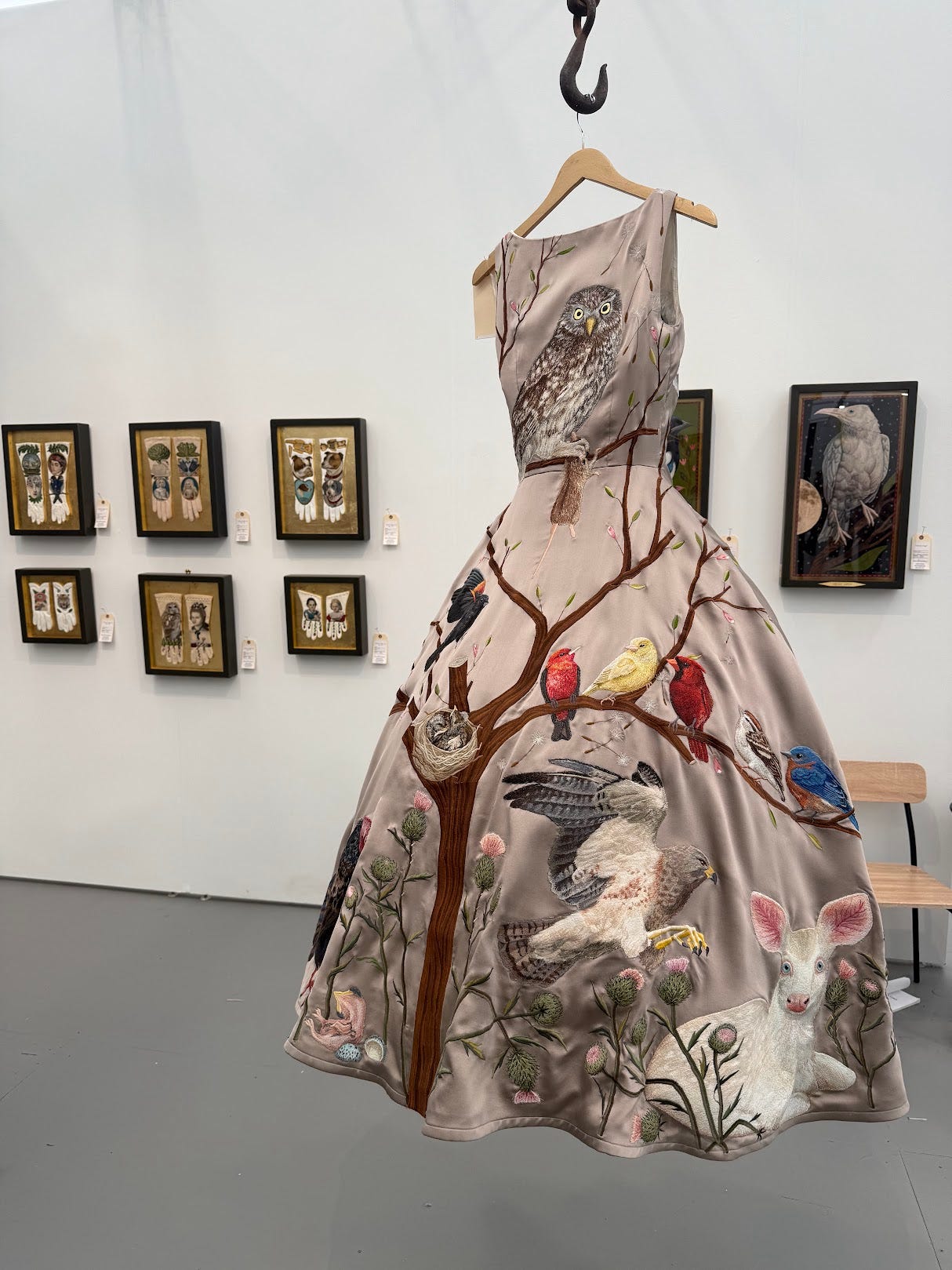
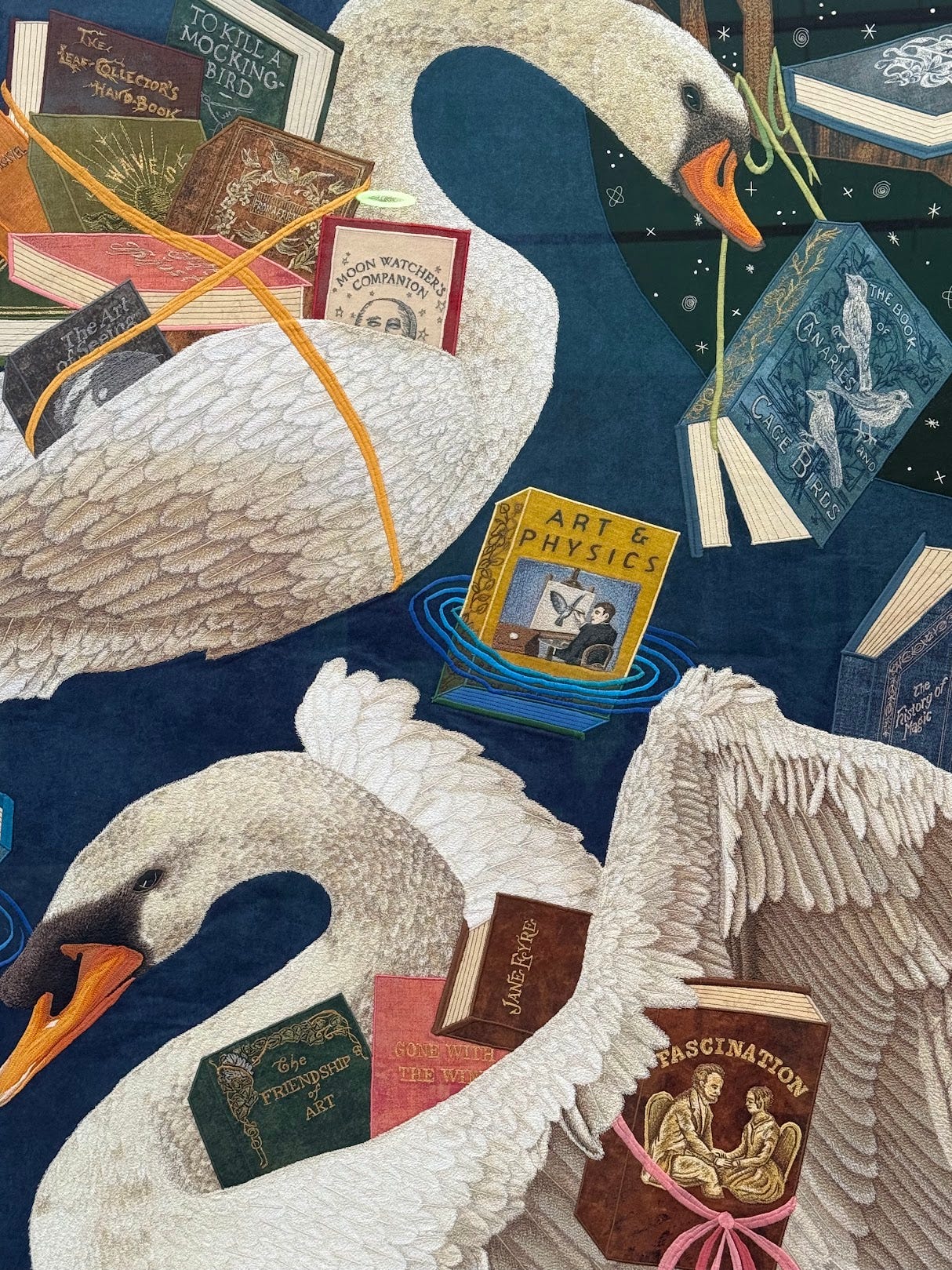
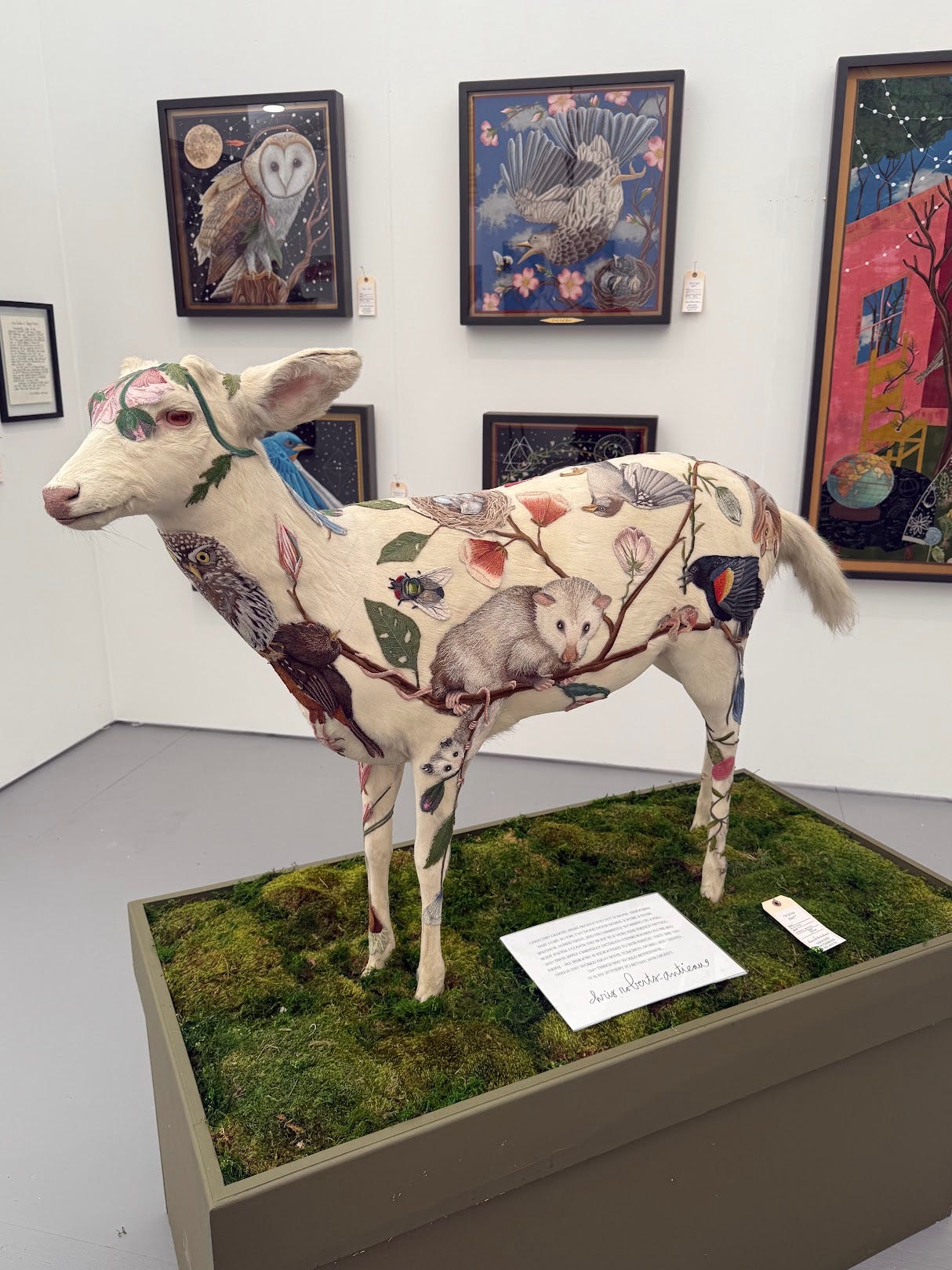
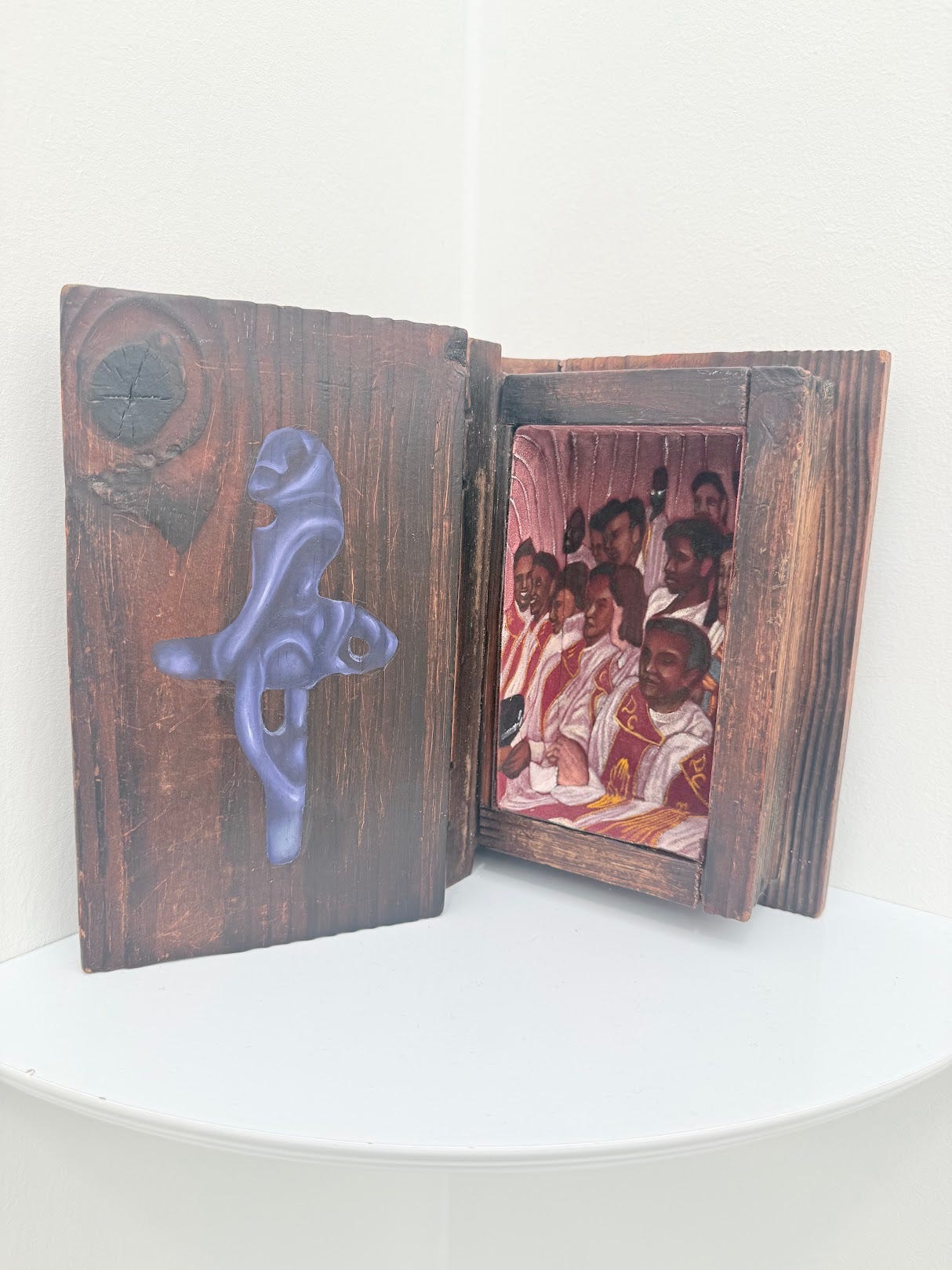

My serialized novella ‘Come If You Want’ has arrived. Read the first chapter here:
Come If You Want - Chapter One

You are reading ‘Come If You Want,’ a serialized novella by Brendon Holder. This is the first of four chapters.
Read More LOOSEY
Dressing the Surveillance Era: The American Promise of Palantir’s Sold Out Merch

The t-shirt is a garment that is distinctly American, its mass production first hailing from the U.S. Navy in 1913 as a shirt to be worn underneath official uniforms. The patriotic and protective genes threaded from the primitive shirts of the Navy can be traced to Palantir Technologies, an American pattern…
Would you rather be hot online or in person?

In the final gasps of summer, I encountered a tweet that read like a prophetic warning: Fall is approaching, the body can’t save y’all anymore, face gotta eat!
LOOSEY is a newsletter about culture, art, technology, and the way we live. If this is something you like, consider subscribing and sharing. Let’s be friends on Instagram.
I loved this piece !! Was just talking yday to some friends about how there was a sincerity to Girls - the spirit of the show and the girls’ ambitions - that is nonexistent in I love LA. Hannah’s dreams were self-indulgent and spoke to millennial delusion and self-importance. Maia’s “dreams” basically have nothing to do with herself, but how well she can operate within a system. The self doesnt matter, so selling out doesn’t ring as criminal anymore, either (though I think we might be seeing increasing backlash to that? Eg Jia Tolentino x Airbnb gate!)
So I have thoughts. 1) Yes, you are correct, this is a complete sellout by Beeple, I would even go so far as to call it a media stunt. And really, this article feeds that stunt and, in its own way, sells out by leading with it. If you're going to be punk about things, be punk. I get it, that doesn't drive clicks.
But still, as an art critic, your observation is on point; it's blatant commercialization of today's political crisis in the same vein as Southpark, all dressed up as art.
2) That being said, we need this right now. I am really reticent to be overly critical of anyone who is willing to criticize this government and its tech oligarch enablers because it is so oppressive in its response to any question of its authority. To defeat oppression, we need criticism, whether it's pop or commercialized or just a spray-painted tag on a back alley wall. To take down resistance without acknowledging its merits in fighting authoritarianism is to fail to observe the whole picture.